
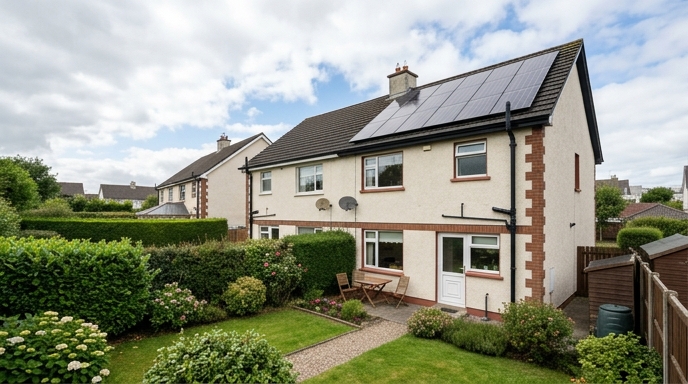
One of the first questions people ask before going solar is simple enough: how long until I get my money back? It’s a fair question. You’re spending thousands upfront, and you want to know when you’ll start seeing a real return on that investment.
For most Irish homeowners, the payback period on solar panels sits somewhere between five and eight years. That figure depends on several things, including your system size, how much electricity you use during daylight hours, whether you have battery storage, and what you’re paying your energy supplier per unit. After that payback point, every unit of electricity your panels generate is essentially free, and most solar PV systems are warranted for 25 years or more.
With electricity prices still well above where they were a few years ago, the maths has shifted firmly in favour of solar. Add in the SEAI solar electricity grant of up to €1,800 for homeowners and the fact that 0% VAT applies to solar panel purchases, and the upfront cost has never been lower relative to the long-term savings. At SPV Energy, we’ve completed over 3,000 installations across Ireland and the payback conversation is one we have every single day. Here’s what actually determines yours.
How Is Solar Panel Payback Period Calculated?
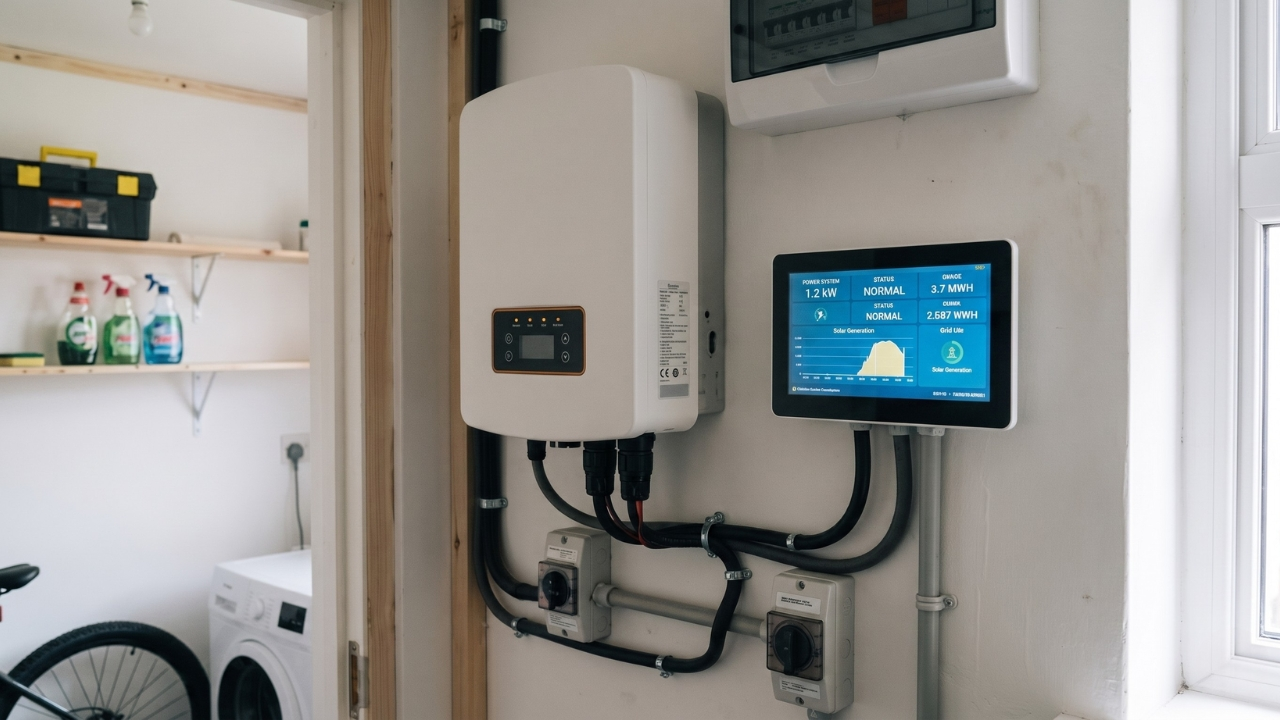
Payback period is straightforward in principle. You divide the net cost of your solar PV system (after grants) by the annual savings it generates. If your system costs €7,000 after the SEAI grant and saves you €1,100 a year on electricity, your payback period is roughly six and a half years.
Net Cost vs Gross Cost
Always work from the net figure. If your system costs €9,000 before any incentives, you subtract the SEAI grant (up to €1,800) and factor in the 0% VAT saving. That brings the real out-of-pocket cost down significantly, which shortens payback by a year or more compared to the headline price.
Annual Savings Breakdown
Your annual savings come from two sources. First, there’s the electricity you generate and use yourself, which means you’re not buying those units from your supplier. Second, there’s the income from exporting surplus electricity back to the grid through a microgeneration feed-in tariff. Both of these feed into your payback calculation, though self-consumption savings are worth considerably more per unit than export payments.
What Factors Affect Payback Period?
No two households in Ireland have the same payback period. Several variables come into play, and understanding them helps you make smarter decisions about system design and energy habits.
System Size and Cost
A larger system generates more electricity, but it also costs more upfront. For most homes, a system between 3.5kWp and 6.4kWp hits the sweet spot where generation matches household consumption reasonably well. Going bigger than you need pushes more electricity to export, where the return per unit is lower.
Self-Consumption Rate
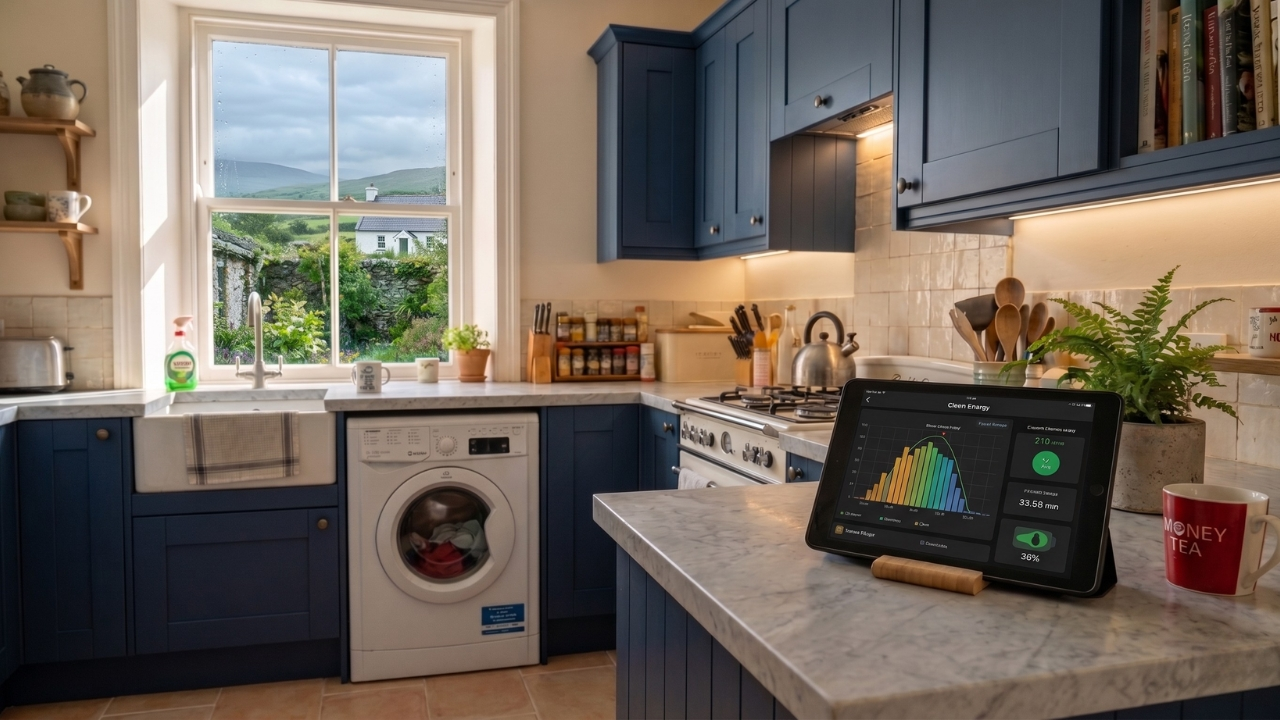
This is the single biggest factor. Electricity you use directly from your panels saves you the full retail rate, which might be 35c to 45c per kWh depending on your tariff. Electricity you export earns you somewhere around 15c to 24c per kWh, depending on your supplier. So the more solar electricity you consume at home, the faster your payback. Running your dishwasher, washing machine, and immersion during daylight hours makes a genuine difference.
Battery Storage
Adding a battery lets you store excess daytime generation and use it in the evening, which increases your self-consumption rate. Batteries add to the upfront cost (typically €3,000 to €4,000), so the payback maths shifts. For homes where most electricity use happens in the evenings, a battery can shorten overall payback by boosting the value of every unit generated. If you’re already home during the day and using most of your solar output in real time, the case for a battery is less clear-cut.
Electricity Prices
Higher electricity prices mean faster payback. When unit rates were around 20c per kWh a few years ago, payback periods stretched to ten years or beyond. At current rates, which remain significantly higher, the return comes much quicker. If prices stay elevated (and most forecasts suggest they will), your investment pays off sooner.
Can You Speed Up Solar Panel Payback?
You’re not locked into a fixed payback timeline. There are practical steps you can take to bring that break-even point closer, and most of them cost nothing beyond a change in habit.
- Shift heavy electrical loads (washing, drying, cooking, immersion heating) to midday when solar generation peaks
- Use timer settings on appliances to run them automatically during sunny hours
- Install a hot water diverter (like an Eddi unit) that routes surplus solar electricity to heat your water tank instead of exporting it
- Monitor your system through the app so you understand when you’re generating, consuming, and exporting
- Make sure your feed-in tariff is set up with your electricity supplier so you earn credits for every surplus unit exported to the grid
At SPV Energy, we set up microgeneration registration as part of every installation so customers are earning export credits from day one, and we walk every homeowner through app monitoring during the system handover. These aren’t afterthoughts; they’re part of getting the best return from your panels over the full lifetime of the system.
What Happens After Payback?
Here’s where solar gets genuinely exciting. Once your system has paid for itself, typically within five to eight years, every unit of electricity it generates is pure profit. Your panels don’t stop working at the break-even point. They keep going for another 17 to 20 years (or more) at minimal maintenance cost.
A system that saves you €1,100 per year could deliver well over €20,000 in lifetime savings after the payback period. That’s before accounting for any increases in electricity prices over the next two decades, which would push that figure higher still.
Solar panels also add measurable value to your property. Energy-efficient homes with solar PV, good BER ratings, and lower running costs are increasingly attractive to buyers. So even if you sell before the full 25-year lifespan, you’re likely to recoup value through a higher sale price.
Does Location In Ireland Affect Payback?
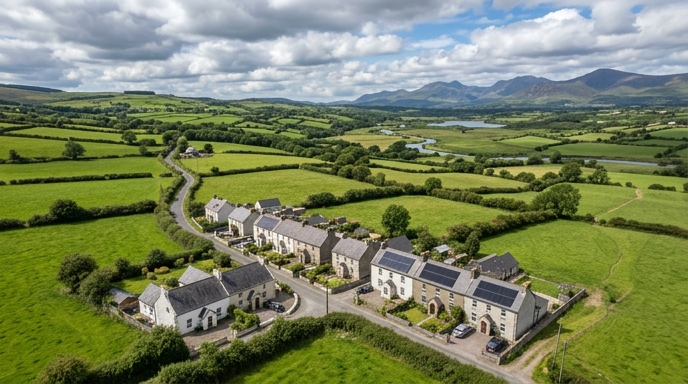
Ireland isn’t exactly famous for sunshine, and people often wonder whether their specific location changes the equation. In reality, the difference between the sunniest and least sunny parts of Ireland is smaller than you’d think. The southeast gets the most annual sunshine hours, but counties further north and west still receive plenty of usable solar radiation throughout the year.
We’ve installed systems across Cavan, Dublin, Meath, Kildare, Donegal, and everywhere in between, and customers in every county see strong returns. Roof orientation and shading matter more than which county you live in. A south-facing roof with no shading will outperform a shaded east-facing roof regardless of geography.
Is Solar Worth It In Ireland Right Now?
With electricity prices where they are, SEAI grants available, 0% VAT in place, and feed-in tariffs paying for surplus generation, the conditions for going solar in Ireland have never been better. Payback periods are at historic lows, and the long-term savings stretch well beyond what most homeowners initially expect.
One thing worth keeping in mind is that grant schemes and incentive structures can change. The current SEAI grant of up to €1,800 is available now, but there’s no permanent guarantee it will remain at this level. Locking in while conditions are favourable makes financial sense.
If you’re weighing up whether solar panels are a good investment for your home, the honest answer for most Irish households is yes, and comfortably so. The numbers work. We see it across every one of the 3,000+ systems we’ve installed. To get a clear picture of your own payback period based on your actual roof, energy use, and location, get in touch with us at SPV Energy for a free, no-obligation quote. No hard sell, just the numbers.