
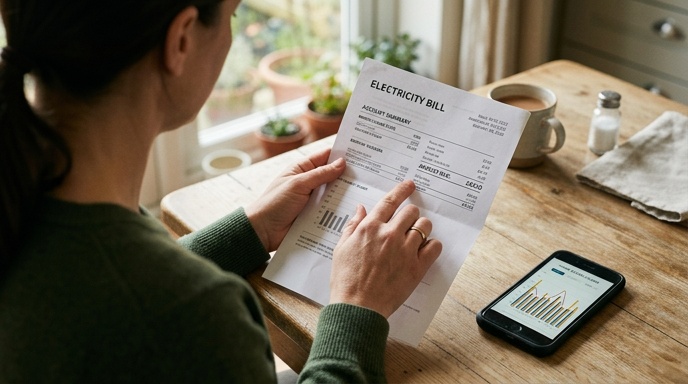
The average electricity bill in Ireland in 2026 sits in the region of €1,800 to €2,200 a year for a typical household, which works out at roughly €150 to €185 a month depending on usage and supplier. A home using around 4,200 kWh a year, the figure the CRU uses as a standard, lands near the middle of that range.
Your own bill depends on how many people live in the house, how you heat your water, whether you run an electric heat pump or EV, and the plan you’re on. Two identical houses on the same street can pay very different amounts.
Below we break down what the average bill actually looks like, what pushes it up, and the practical steps that bring it down over time.
How Much Is the Average Electricity Bill in Ireland in 2026?
A typical Irish household pays between €1,800 and €2,200 a year for electricity in 2026, or about €300 to €370 across a standard two-month billing cycle. The exact figure moves with your unit rate, standing charge, and how many units you actually burn through.
The Commission for Regulation of Utilities bases its standard consumption on 4,200 kWh per year. Multiply that by the average unit rate and add the standing charge, and you land in the range above.
- Standard annual usage benchmark is around 4,200 kWh.
- Unit rates in 2026 sit roughly between 30c and 40c per kWh depending on supplier and plan.
- Standing charges typically run a few hundred euro a year on their own.
For the current regulated figures and supplier comparisons, the official CRU energy guidance is the most reliable source to check before you assume a number for your own home.
What Drives Up Your Electricity Bill in Ireland?
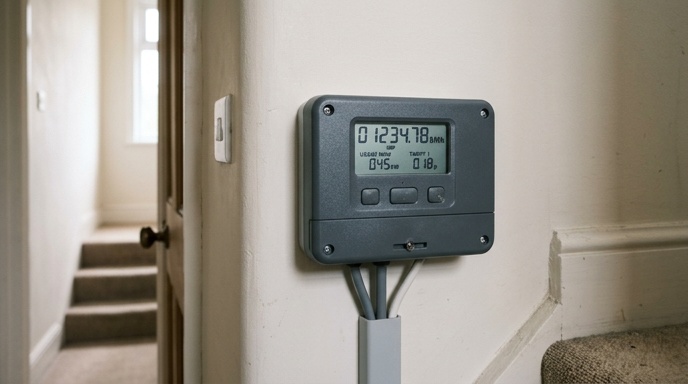
Your electricity bill is driven by four things above all else, the number of units you use, your unit rate, the standing charge, and the mix of appliances in the house. Heating and hot water are usually the biggest single drains, especially in homes without gas or oil.
A larger household simply uses more. More showers, more laundry, more cooking, more screens running in the evening.
How Household Size Changes the Bill
Household size is the single clearest predictor of usage. A one or two person home uses far less than a busy family of five, and the bill scales with it.
| Home Type | Typical Annual Usage | Estimated Annual Bill |
|---|---|---|
| 1-2 bed, 1-2 people | Around 2,900 kWh | €1,300 to €1,600 |
| 3 bed, 2-3 people | Around 4,200 kWh | €1,800 to €2,200 |
| 4-5 bed, 4+ people | Around 6,000 kWh | €2,500 to €3,200 |
These are estimates and depend heavily on heating type and habits. A four bed with an efficient heat pump can undercut a smaller home with electric storage heaters.
Why Standing Charges Matter
Standing charges are a fixed daily fee you pay no matter how little electricity you use. Over a year they add several hundred euro to the bill before you’ve switched on a single light.
Because they’re fixed, lowering your usage doesn’t reduce them. That’s why a low-usage home can still feel its bill is high relative to the units used.
How Does Heating Affect Your Electricity Costs?
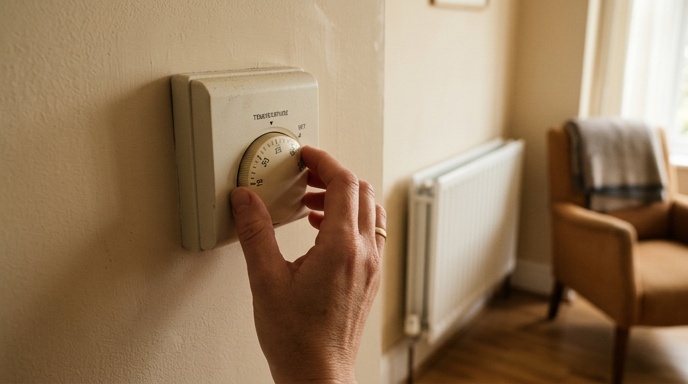
Heating is the biggest swing factor in most Irish electricity bills, particularly in homes that run electric heating or a heat pump rather than gas or oil. Hot water, immersion heaters and electric showers add significantly on top.
Homes relying on electric storage heaters or direct electric heating tend to sit at the top end of the bill range, while gas-heated homes keep their electricity usage lower.
- Electric heating and immersion can account for a large share of winter usage.
- Heat pumps are efficient but still add meaningful electricity demand.
- Tumble dryers, dishwashers and ovens are the next biggest users after heating.
If you’re on a day and night tariff, shifting high-use appliances to cheaper night-rate hours can trim a noticeable amount off the yearly total.
How to Cut Your Electricity Bill in Ireland
You can cut your electricity bill through three routes, reducing how much you use, switching to a better plan, and generating your own power with solar. The biggest long-term saving usually comes from generating your own electricity, which removes units from the bill entirely rather than just making them cheaper.
Start with the quick wins, then look at structural changes that pay back over years.
- Switch supplier or plan regularly, as discounts often expire after the first year.
- Move heavy appliance use to night-rate hours if you have a smart meter and the right tariff.
- Upgrade to efficient appliances and LED lighting.
- Improve insulation so your heating works less.
- Install solar PV to generate your own electricity and export the surplus for credit.
Solar is the route that attacks the units themselves. A typical domestic system can offset a large chunk of daytime usage, and with a smart meter you earn export credits for anything you don’t use. Homeowners can also claim the SEAI solar grant toward the upfront cost, with the paperwork handled for you.
To see how much a system could knock off your own bill, you can use our solar calculator to find estimate savings.
Does Solar Make Sense for a High Electricity Bill?
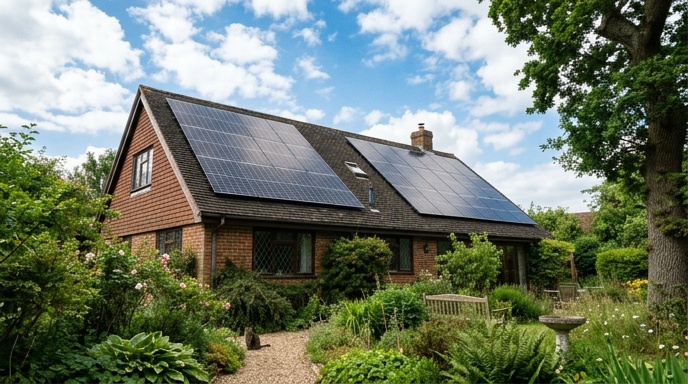
Solar makes most sense when your bill is high and a good portion of your usage falls during daylight hours. The higher your annual spend, the faster a solar system pays for itself, because every unit you generate is a unit you no longer buy.
A home paying €3,000 or more a year with daytime occupancy, like remote workers or families home during the day, is in the strongest position to benefit.
- High daytime usage means more of your generated power is used directly.
- A battery lets you store surplus for evening use instead of exporting it cheaply.
- Export credits through microgeneration add a small ongoing return.
Most domestic rooftop installs are exempt from planning permission, though conditions apply, so it’s worth confirming the current rules before you commit. A full suitability check on your home solar setup will tell you what size system fits your roof and your bill.
Final Thoughts on Your 2026 Electricity Bill
The average electricity bill in Ireland in 2026 lands between €1,800 and €2,200 for a typical home, but your own figure depends on household size, heating type and the plan you’re on. Knowing where your money goes is the first step to spending less of it.
If your bill is sitting at the higher end and you want to see what solar could save you, contact out team to get a free, no-pressure quote and we’ll size a system to your actual usage.