
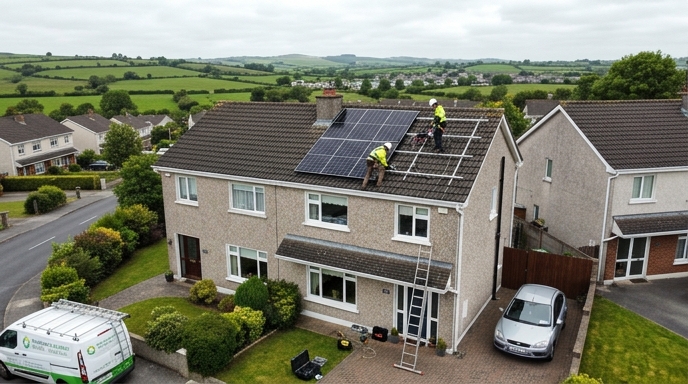
Moving into a new home is exciting, stressful, and expensive all at once. Between mortgage drawdowns, solicitor fees, and furniture runs, adding solar panels to your to-do list might feel like one thing too many. But here’s the thing: getting solar right early on can save you thousands over the next decade, and getting it wrong (or leaving it too late) can cost you just as much.
If you’ve recently bought a home in Ireland, or you’re in the middle of the process, solar PV is absolutely worth considering from the start. Most Irish homes are well suited to solar, you can claim up to €1,800 through the SEAI solar electricity grant, and a well-sized system can cut your electricity bills by 50% or more. But there are a few things you need to check and understand before you sign anything or hand over a deposit.
From roof condition to grant eligibility, system sizing to export tariffs, this guide covers everything a new homeowner in Ireland should have a handle on before going solar. Whether you’ve just picked up the keys to a three-bed semi in Meath or a detached farmhouse in Cavan, the same principles apply.
Does Every Home Qualify for Solar Panel Grants?
Not every property is eligible for the SEAI solar PV grant, and this trips up a lot of new buyers. To qualify for the residential grant (worth up to €1,800), your home must have been built and occupied before 2021. If you’ve bought a newly built home completed after that date, solar should already have been factored into the Building Energy Rating (BER) and may even be pre-installed as part of the NZEB (Nearly Zero Energy Building) regulations.
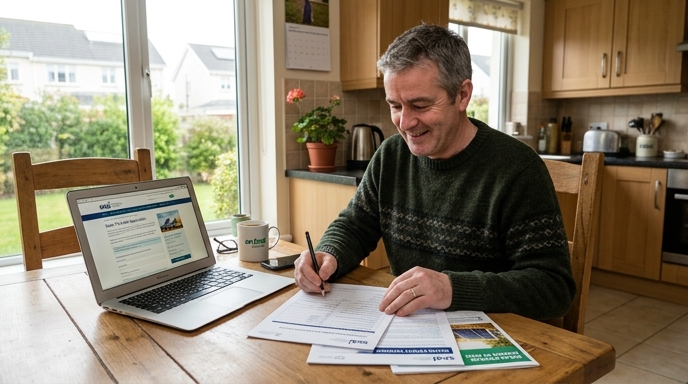
For older properties built before 2021, you’re in the clear for grant eligibility. SPV Energy, who’ve completed over 3,000 installations across Ireland, handle the full SEAI grant application as part of their service. That means less paperwork headaches for you at an already busy time.
What If You Just Bought a New Build?
If your new build already has solar panels installed, check what system was fitted. Some developers install the bare minimum to meet planning requirements. You may want to add more panels or battery storage down the line. If solar wasn’t included at all (rare for homes completed post-2021, but it happens with certain exemptions), speak to an SEAI-registered installer about your options.
Grant Amounts Worth Knowing
For eligible homes, the SEAI grant covers a portion of the installation cost. It scales based on your system’s peak output, with a maximum of €1,800. For most standard residential systems, homeowners receive around €1,800 to €1,800 back after installation. SPV Energy’s team manages this process end-to-end, and some of their customers have reported grants being paid within 21 days.
How Do You Know If Your Roof Is Suitable?
Before you get excited about savings projections, your roof needs to pass a few basic checks. Orientation, pitch, shading, and structural condition all matter. A south-facing roof at roughly 30 to 40 degrees pitch is ideal, but east-west facing roofs still perform well in Ireland, often generating 80-85% of what a south-facing setup would.
Shading and Obstructions
Trees, chimneys, neighbouring buildings, and dormer windows can all cast shadows that reduce panel output. If you’ve just moved in during winter, keep in mind that shading patterns change with the seasons. What looks fine in December might be different in June when the sun is higher. A proper site survey will flag any issues here.
Roof Condition and Age
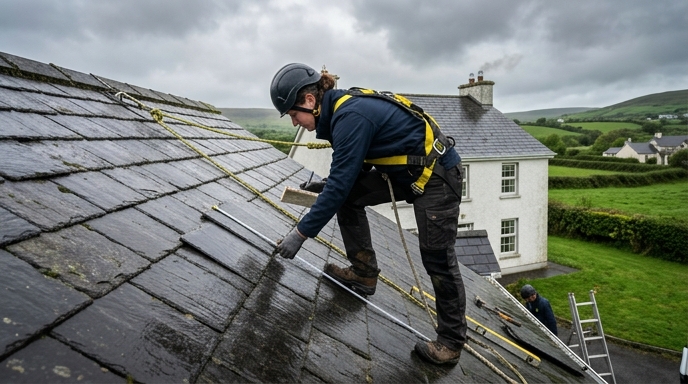
This one catches people out. If your roof needs replacing in the next five to ten years, it makes far more sense to do that work before panels go on. Removing and reinstalling a solar array to re-roof underneath is expensive and unnecessary if you plan ahead. If you’ve had a building survey done as part of your purchase, check what it says about the roof’s remaining lifespan.
SPV Energy’s team carry out a full property suitability assessment before any installation, which covers all of this. Their technical lead, Ray, handles site surveys and will flag anything that needs attention beforehand.
What Size System Do New Homeowners Actually Need?
One of the biggest mistakes new homeowners make is either over-sizing or under-sizing their system. Both cost you money. Too small, and you won’t make enough of a dent in your bills. Too large, and you’re paying for generation capacity you can’t use or store.
For a typical three to four-bed home with average electricity consumption, a system between 3.5kWp and 6.4kWp usually hits the sweet spot. Here’s what to think about when deciding:
- Check your annual electricity usage on recent bills (your new home’s BER cert can also give you a figure)
- Consider how many people live in the home and when you’re typically using power
- If you work from home, your daytime usage is higher, which means you’ll self-consume more solar
- Battery storage lets you store excess generation for evening use, making smaller systems work harder
- If you’re planning an EV in the near future, sizing up now makes sense
SPV Energy designs systems around each customer’s actual energy profile rather than pushing the biggest package. Their no-pressure approach means you get honest advice on what fits your household, not what earns the biggest commission. If you’re curious about how different system sizes compare, their blog covers topics like system sizing and cost breakdowns for various home types.
Should You Add Battery Storage From Day One?
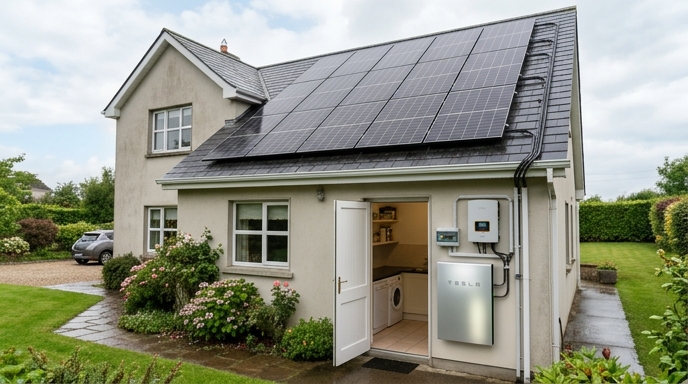
Battery storage is one of those decisions that divides opinion among solar owners. Without a battery, any electricity your panels generate that you don’t use immediately gets exported to the grid. You’ll get a small payment for that through your supplier’s microgeneration feed-in tariff, but it’s nowhere near the retail rate you’d pay to buy that same electricity back in the evening.
With a battery, you store that surplus and use it later, typically during peak evening hours when your consumption is highest. For new homeowners who are out at work during the day, a battery makes a particularly strong case because it means your solar generation isn’t wasted while you’re not home.
When a Battery Might Not Be Worth It
If someone is home all day (working from home, retired, minding children), you’ll naturally self-consume more of your solar generation. In that scenario, the payback period on a battery is longer, and you might decide to add one later instead. SPV Energy advise customers honestly on whether battery storage suits their usage patterns, which is refreshing in a market where some installers push batteries regardless.
How Long Does Installation Take for a Typical Home?
If you’re imagining weeks of scaffolding and disruption while you’re still unpacking boxes, relax. Most residential solar installations are completed in a single day. SPV Energy’s teams are known for fast turnaround, with customers regularly noting that the entire process from initial contact to panels on the roof takes less than a month.
For new homeowners, this means you don’t need to wait until you’re fully “settled” before booking. If your roof is in good condition and your home qualifies for the grant, there’s no advantage in delaying. In fact, the sooner your panels are generating, the sooner you start seeing savings on your bills.
What Happens on Installation Day?
The crew arrives, sets up safely, fits the panels, installs the inverter (and battery if you’ve opted for one), commissions the system, and walks you through the monitoring app before they leave. Reviews of SPV Energy consistently mention how tidy and professional the installation crews are, which matters when your house is already in “just moved in” chaos.
What About Microgeneration and Selling Electricity Back?
Since 2022, Irish homeowners with solar panels and a smart meter can export surplus electricity to the grid and receive credits from their energy supplier. Rates vary by supplier but typically sit between 18c and 24c per kWh exported. It’s not going to make you rich, but it does improve the overall economics of your system, especially during long summer days when your panels are generating more than you can use.
SPV Energy arrange grid export and feed-in tariff registration as part of their setup, so you’re earning credits from day one. If you haven’t had a smart meter installed yet, contact your electricity supplier and get that sorted early in the process. You’ll need one before you can benefit from the export tariff.
Is It Better to Wait or Install Solar Now?
New homeowners often wonder if they should hold off, maybe wait for panel prices to drop further, or for better grants, or for some mythical “perfect time.” Here’s the reality: solar panel prices in Ireland are already at historically competitive levels, the 0% VAT on solar panels is still in effect, and the SEAI grant is available now but there’s no guarantee it’ll stay at current levels indefinitely.
Every month you wait is a month of electricity bills you could have been reducing. For a typical household, that could be €80 to €150 per month in savings depending on your system size and usage. Over a year of delay, you’re potentially leaving €1,000 or more on the table.
If your home is eligible and your roof is ready, the best time to install is as soon as you can. SPV Energy offer free consultations and can give you a clear picture of costs, savings, and payback periods specific to your home. You can reach their team on 049 489 1207 or through their website at spvenergy.ie. With over 3,000 installations behind them and a 5-star Trustpilot rating from 250+ reviews, they’re a solid starting point for any new homeowner looking to get solar done right the first time.