
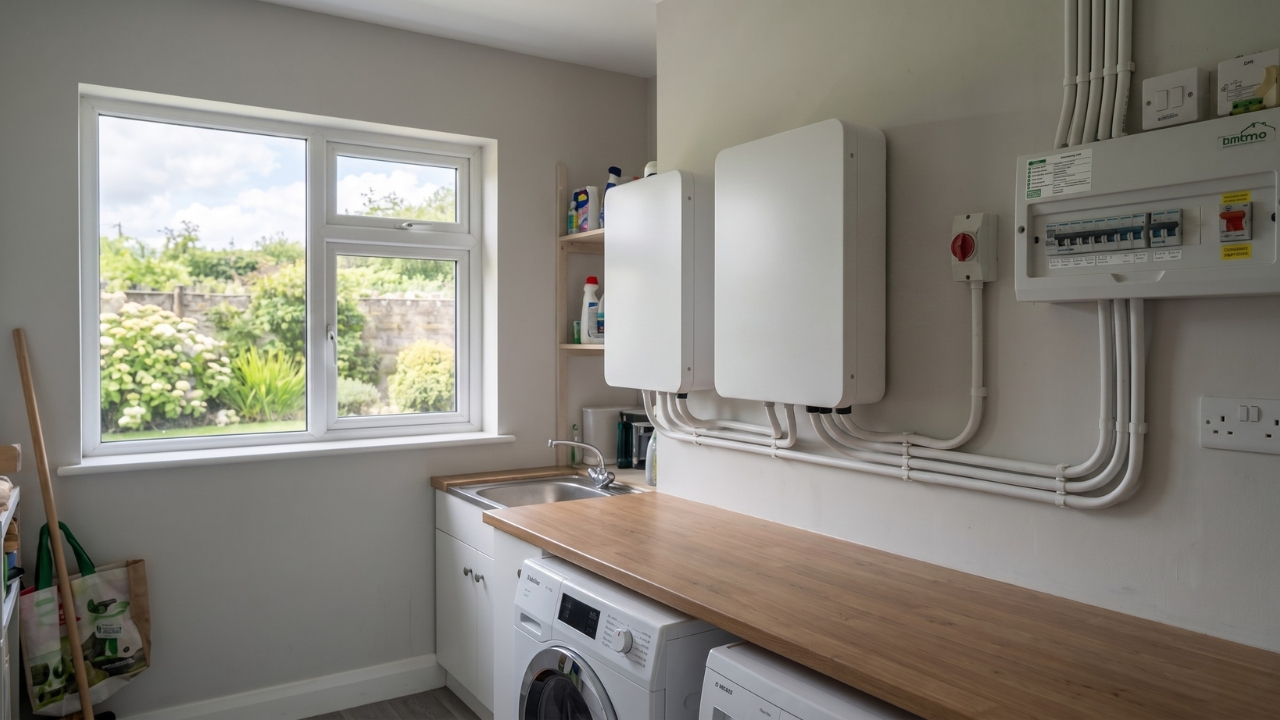
If you already have solar panels on your roof and you’re watching excess electricity get exported to the grid for a few cents per unit, you’ve probably wondered whether adding a battery would make more sense. It’s one of the most common questions homeowners ask after living with solar for a while.
The short answer is yes, you can absolutely add a solar battery to an existing solar panel system. In most cases it’s a relatively straightforward retrofit, though the exact process depends on the type of inverter you currently have and how your system was originally wired. Thousands of homeowners across Ireland have done exactly this, and the technology has matured to the point where it’s a well-trodden path for any SEAI-registered installer.
Adding battery storage typically costs between €3,000 and €6,500 depending on the battery capacity and whether your inverter needs upgrading. For many households, it can mean the difference between using 30% of the solar energy you generate and using 70% or more of it. That’s a big jump, and it’s why retrofitting batteries has become so popular in the last couple of years.
Why Would You Add Battery Storage After Installation?
Most people who got solar panels installed in 2021 or 2022 didn’t include a battery at the time. Batteries were more expensive back then, and many installers (rightly) advised that the panels alone would deliver the best return on investment first. But circumstances change.
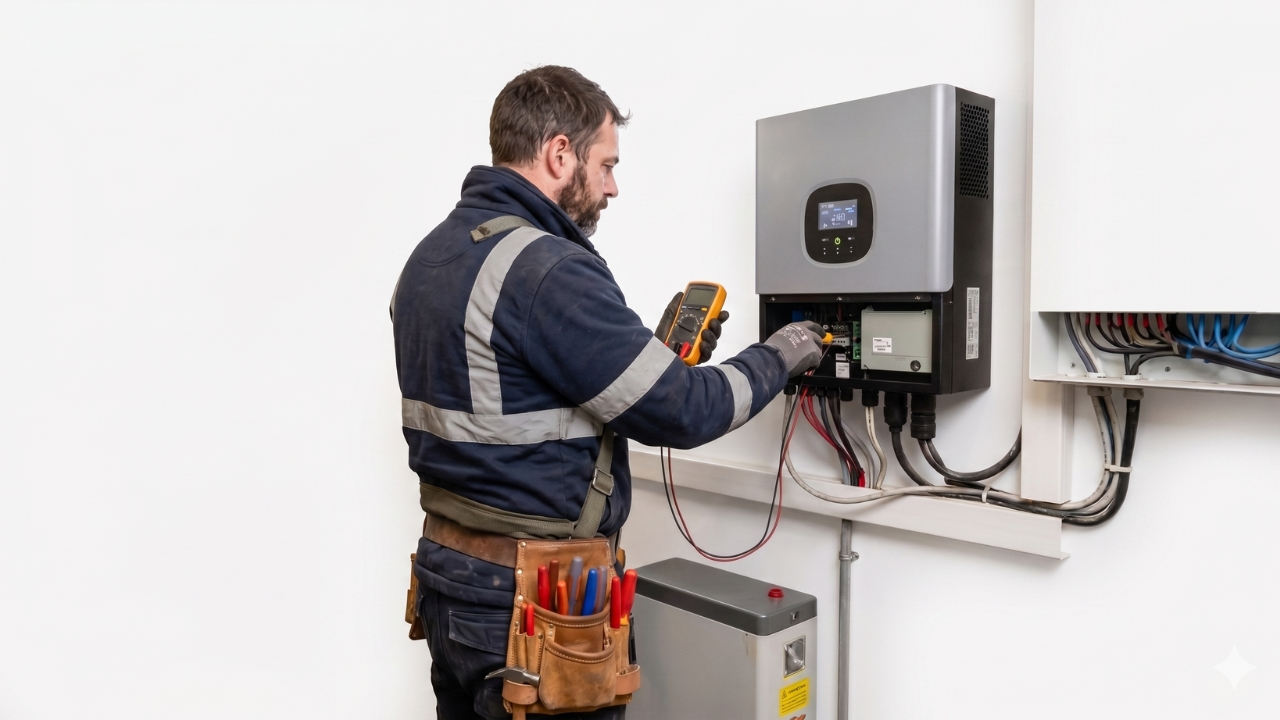
Electricity prices have stayed stubbornly high. Feed-in tariff rates from suppliers remain modest, often between 12c and 24c per kWh exported, while you’re paying 35c to 45c per kWh to buy it back in the evening. That gap is where a battery earns its keep. Instead of exporting your surplus during the day and buying it back at a premium after dark, a battery lets you store it and use it yourself.
There’s also the simple fact that a household’s energy needs shift over time. Maybe you’ve added an EV charger since getting your panels, or your family has grown, or you’re now working from home more. All of these mean higher evening electricity use, which is exactly when a battery pays dividend
How Does Retrofitting a Battery Actually Work?
Checking Your Current Inverter
The first thing any good installer will check is your existing inverter. If you already have a hybrid inverter (sometimes called a battery-ready inverter), you’re in luck. A hybrid inverter is designed to manage both solar panels and a battery, so adding storage is relatively simple. The installer connects the battery to the existing inverter, updates the settings, and you’re good to go.
If you have a standard string inverter (one that only handles the solar panels), you’ll need either a separate battery inverter or a full inverter upgrade. This adds to the cost, but it’s still entirely doable. SPV Energy, who’ve completed over 3,000 installations across Ireland, often assess existing systems and advise on the most cost-effective route for each home.
Sizing the Battery Correctly
Getting the battery size right matters more than most people think. Too small and you’ll still be exporting plenty of surplus. Too large and you’ve overspent on capacity you’ll rarely fill.
For most Irish homes with a 3.5kWp to 6kWp solar system, a battery in the 5kWh to 10kWh range tends to hit the sweet spot. Your installer should look at your actual generation data and your electricity usage patterns (especially evening and overnight consumption) before recommending a size.
Installation Timeline
A battery retrofit is typically a half-day to one-day job. It’s far less disruptive than the original panel installation since there’s no scaffolding or roof work involved. The battery unit itself is usually wall-mounted in a garage, utility room, or hot press area.
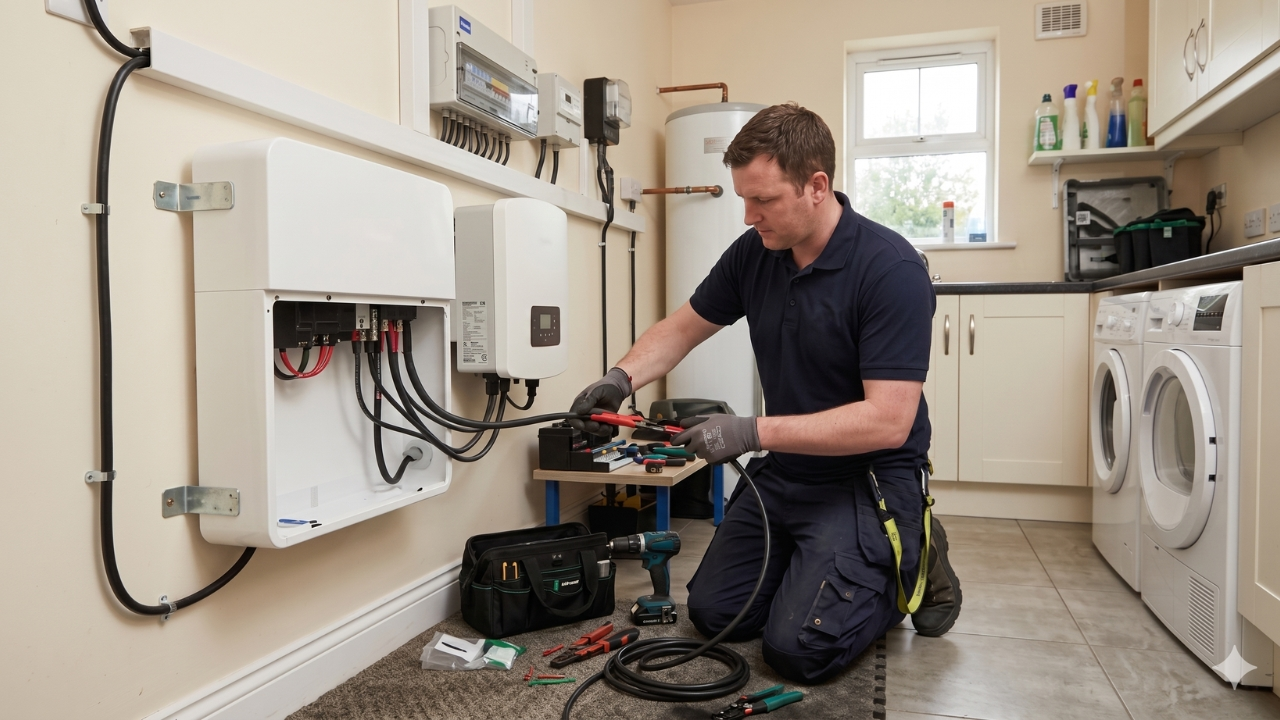
What Does It Cost to Add a Battery in Ireland?
Battery costs have dropped significantly over the past three years, which is one reason why retrofitting now makes more sense than it did when you first got your panels.
Here’s a rough guide to what you can expect to pay in 2025/2026:
- 5kWh battery (suits smaller systems or lower evening usage): €3,000 to €4,000 installed
- 10kWh battery (suits larger systems or higher evening/overnight usage): €4,500 to €6,500 installed
- Inverter upgrade (if needed): €800 to €1,500 additional
- Labour and commissioning are typically included in the quoted price
These figures can vary depending on the brand of battery, the complexity of your existing wiring, and your location. It’s always worth getting a detailed quote based on a site survey rather than relying on ballpark estimates alone. SPV Energy provides free consultations where they assess your current system and recommend the right battery storage option for your specific setup.
Is There an SEAI Grant for Adding a Battery?
This is where things get a bit nuanced. The SEAI solar electricity grant of up to €1,800 applies to solar PV systems, and it does cover battery storage when installed as part of a solar PV system. However, if you already claimed the grant when your panels were originally installed, you can’t claim it again for adding a battery later.
If you didn’t claim the full grant amount originally (for example, if your system was installed before the grant covered batteries, or you didn’t include storage at the time), it’s worth checking your eligibility. The rules around this can be specific to your situation, so an SEAI-registered installer like SPV Energy can advise you on where you stand and whether any grant support is available for your retrofit.
Even without a grant, the financial case for a battery can still stack up well. If you’re currently exporting 50% or more of your solar generation, a battery could save you €400 to €700 per year on electricity bills depending on your usage and tariff rates.
Will Adding a Battery Affect Your Feed-in Tariff?
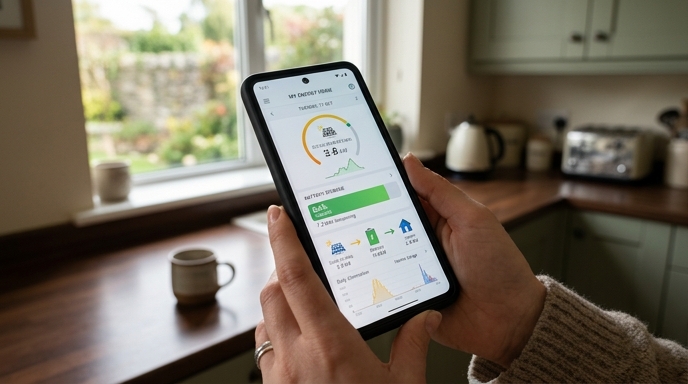
No. Adding a battery doesn’t disqualify you from the microgeneration feed-in tariff. You’ll still export surplus electricity to the grid and earn credits from your supplier. The difference is that you’ll export less because you’re storing more for your own use, but since the rate you’d pay to buy electricity back is higher than what you earn from exporting, you come out ahead financially.
Think of it this way. If you’re exporting at 18c per kWh and buying back at 40c per kWh, every unit you store and use yourself saves you roughly 22c compared to exporting and re-buying. Over a year, that adds up to real money.
What Should You Look For in a Battery?
Capacity and Usable Storage
Not all of a battery’s stated capacity is usable. Most lithium-ion batteries have a depth of discharge of around 90-95%, meaning a 10kWh battery gives you roughly 9 to 9.5kWh of usable storage. Always ask about usable capacity, not just the headline number.
Warranty and Lifespan
Good batteries come with warranties of 10 to 15 years, and most are rated for at least 6,000 charge cycles. In practical terms, that means a well-maintained battery should last 12 to 15 years before its capacity degrades noticeably. Brands like GivEnergy, Huawei, and SolarEdge are commonly installed across Ireland and have solid warranty terms.
Compatibility With Your Existing Setup
Not every battery works with every inverter, so compatibility matters. If you have a Huawei hybrid inverter, for instance, pairing it with a Huawei LUNA battery is the simplest option. A reputable installer will match the battery to your existing inverter and panel configuration to make sure everything communicates properly and runs efficiently.
When Does Adding a Battery Not Make Sense?
To be fair, there are situations where a battery retrofit might not be the best use of your money right now. If your solar system is quite small (under 2kWp), you may not generate enough surplus to justify the investment. Similarly, if you’re home during the day and already using most of your solar electricity as it’s generated, your self-consumption rate might already be high enough that a battery adds only marginal benefit.
If your inverter needs a full replacement to accommodate a battery, the additional cost can push the payback period out further. In those cases, it might make more sense to wait until your inverter reaches end-of-life and then upgrade everything together.
A good installer will be honest about this. SPV Energy are known for their no-pressure approach, with over 250 five-star reviews on Trustpilot, and they’ll tell you straight whether a battery makes financial sense for your situation or whether you’d be better off waiting.
Ready to Add a Battery? Here’s What to Do Next
If you’ve been thinking about adding storage to your existing solar system, the best first step is a proper assessment. Get an installer to review your current setup, check your inverter type, look at your generation and usage data, and give you an honest recommendation.
SPV Energy offer free consultations for homeowners across Ireland, from Dublin and Meath to Cavan, Kildare, and beyond. They handle everything from the initial assessment through to installation and commissioning, and their team can advise on any grant eligibility that might apply to your specific case. You can reach them on 049 489 1207 or through their website to book a site survey and get a clear picture of what battery storage would do for your home.