
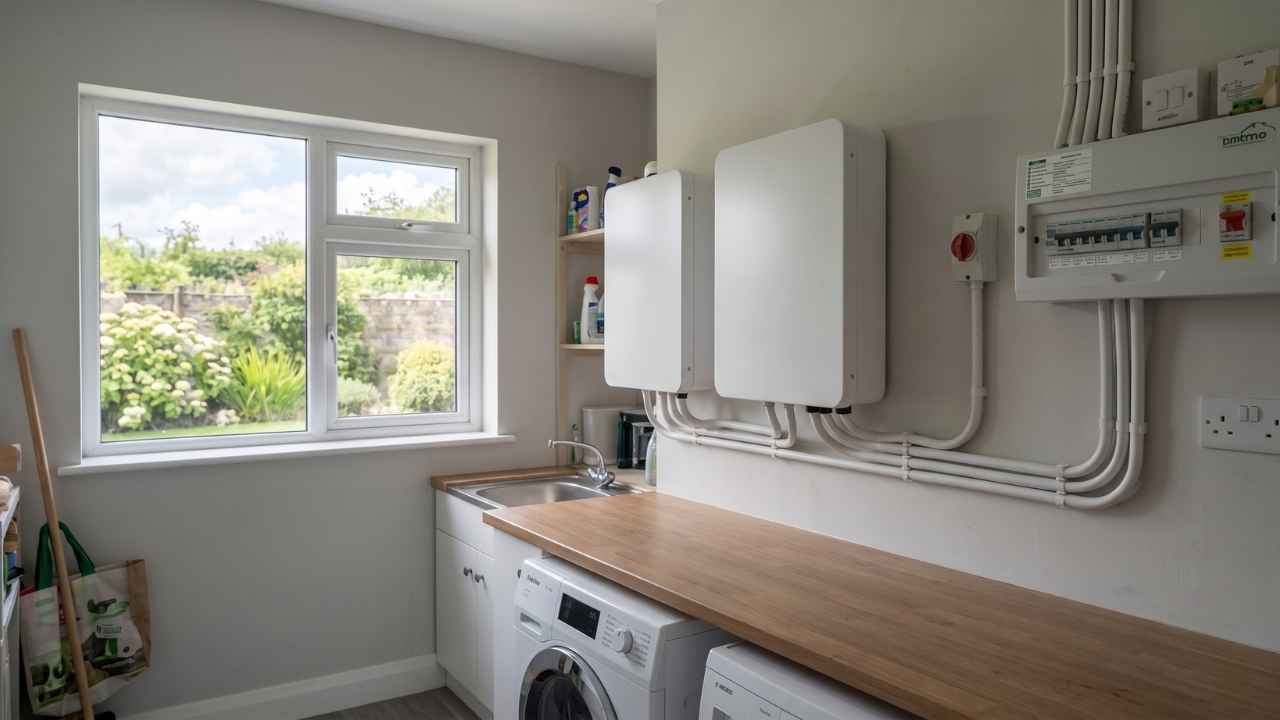
Yes, you can add a battery to an existing solar system in Ireland, and since 6 October 2026 you can claim a €600 SEAI grant for doing it. The battery grant is a separate application from the solar PV grant, so taking the panel grant years ago does not block you now.
That is a real change. Until October 2026 there was no standalone support for home storage, and plenty of pages still say batteries are not grant-aided. They are out of date.
Two things decide whether the upgrade actually stacks up, and neither is the grant. The first is the inverter already sitting on your wall. The second is VAT, which works against you on a retrofit in a way most homeowners do not see coming.
Can You Add a Battery to an Existing Solar System in Ireland?
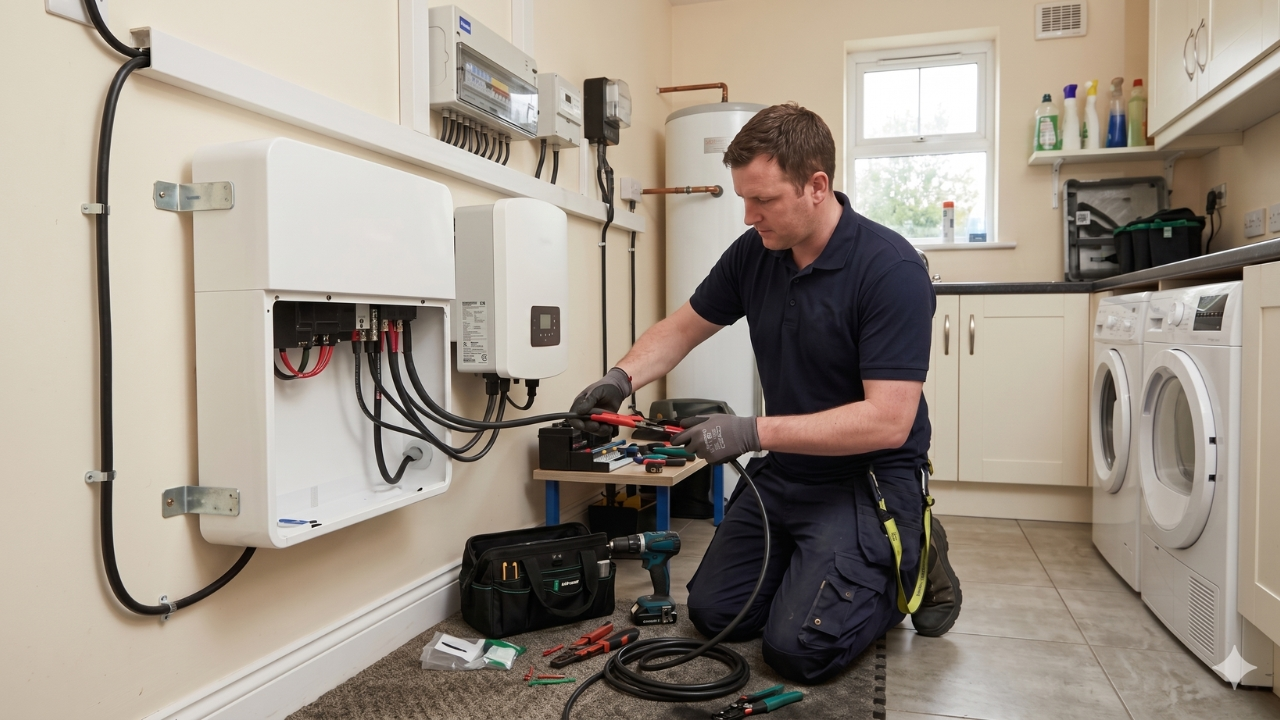 You can, and the panels themselves almost never need to change. The deciding factor is your existing inverter. Standard solar PV installs use a string inverter, and string inverters are not compatible with battery storage, so a retrofit usually means either a new hybrid inverter or a battery with its own inverter built in.
That single check drives most of the cost difference between one quote and another. An installer who can work around your current inverter will quote very differently from one who has to replace it.
What stays and what changes on a typical retrofit:
- Stays: the panels, the roof mounting, the existing cabling to the array
- May change: the inverter, if it is a string unit with no battery support
- Added: the battery, its isolation and protection, and a new ESB Networks connection notification
Does the €600 SEAI Battery Grant Apply to an Existing Solar System?
It does. The Battery Energy Storage System grant is a flat €600 and you apply for it on its own, without touching your original solar PV application. SEAI confirms that a homeowner with existing solar can simply submit a new battery application through the grant portal, provided the works have not already started.
The conditions are short and absolute. Miss one and the grant is gone.
- The battery must be 5 kWh or larger. Anything smaller does not qualify at all
- The home must have been built and occupied before 2025 and have an MPRN
- No battery grant can have been paid previously at that MPRN
- The installer must be an SEAI registered solar PV contractor
- You must hold the Letter of Offer before any work begins
- A post-works BER is required where solar PV is present, which covers every retrofit
- Works must finish and the Declaration of Works be submitted within 8 months of approval
One detail worth knowing before you apply. The grant amount is set at the date of your application, so cancelling and reapplying later puts you on whatever rate is in force then. If you want the fuller picture of what is available alongside this, the SEAI grants currently open to Irish homeowners cover the PV side as well.
What to Check Before Adding a Battery to an Existing Solar System
Three checks determine whether your retrofit is a half-day job or a system rebuild. Run them before you take quotes, because they explain why two prices for the same battery can be a thousand euro apart.
1. Whether Your Existing Inverter Supports Battery Storage
Find the model number on the inverter and give it to the installer. If it is a hybrid unit, the battery connects on the DC side and the work is relatively contained. If it is a string inverter, you are choosing between replacing it or going AC-coupled.
2. AC-Coupled and DC-Coupled Battery Retrofits
AC coupling adds the battery after your existing inverter, with its own battery inverter, so the original system is left alone. DC coupling needs a hybrid inverter and is tidier on a new build. On an existing system, AC coupling is often the lower-disruption route, though it adds a second conversion stage.
3. Space, Siting and the ESB Networks Connection
A typical home battery is around 100cm high by 60cm wide by 25cm deep, roughly the width of a washing machine. Outdoors in a proper enclosure is preferred, indoors needs a well-ventilated space.
Then there is the step people forget. Your installer has to apply to ESB Networks before the battery goes in, and that process usually takes at least 20 working days. Build it into your timeline rather than your installer’s start date.
Is Adding a Battery to Existing Solar Worth It in Ireland?
The case rests on the gap between what you save and what you earn. Every unit of solar electricity you use in the house saves roughly €0.35, because you are not buying it from a supplier. Every unit you export earns about €0.18 to €0.20 under the Clean Export Guarantee. A battery moves units from the second column to the first.
It works hardest where:
- Your household is empty during the day and busy from 4pm onwards
- You are regularly exporting a meaningful share of what you generate
- You are on a day and night tariff, where cheap overnight units can be stored
- Power-cut resilience matters to you, which needs a changeover switch specified upfront
If you mostly use your solar as it is generated, the battery has less work to do. Check your ESB Networks smart meter data for evening consumption before committing, and look at what a 5 kWh battery costs in Ireland once you know the size you actually need.
How to Apply for the €600 Battery Grant on an Existing System
The order matters more than anything else here. Starting work before the offer arrives disqualifies the application outright, with no appeal.
- Get three quotes from SEAI registered solar PV contractors, with the inverter check done and written into each one
- Apply online through the SEAI grant portal as a new battery application, naming your chosen company
- Wait for the Letter of Offer and check the measure, size and company all match what you agreed
- Let the installer apply to ESB Networks, allowing at least 20 working days
- Complete the installation and arrange the post-works BER immediately afterwards
- Submit the Declaration of Works within the 8-month window, then allow 4 to 6 weeks for payment
Adding storage to a system you already own is now a straightforward, grant-aided upgrade, and the only real variables are your inverter and how much electricity you are currently exporting. Both are answerable in a single site visit.
Get your existing setup checked and a retrofit price confirmed by requesting a quote before you commit to a battery size.