The new solar battery grant in Ireland pays a flat €600 towards a home battery of 5 kWh or larger, and nothing towards anything smaller. It is a set amount, so a 10 kWh battery draws the same €600 as a 5 kWh one.
It sits separately from the solar panel grant, which still runs to a maximum of €1,800. A homeowner fitting panels and a battery together can therefore claim up to €2,400 in total, through a single application.
What the grant does not stretch to is the part that catches people out. Older solar systems often need an inverter change before a battery will work at all, and a standalone battery bought on its own carries VAT at the standard rate. Both of those costs land on you, not on the grant.
What the €600 Solar Battery Grant Covers
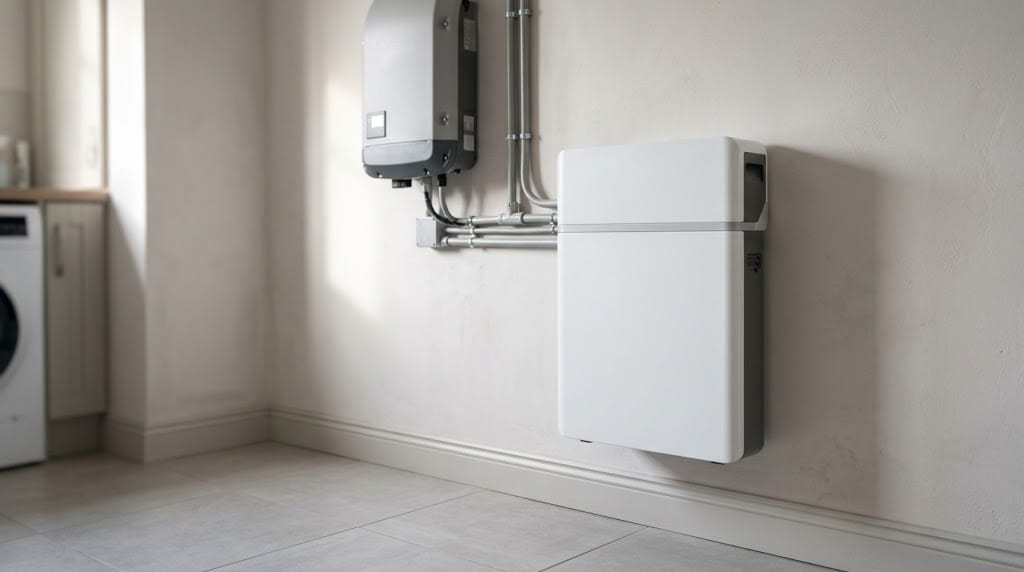
The grant covers the battery energy storage system itself, at a flat rate of €600, once the installed capacity is 5 kWh or larger. SEAI’s own guidance is clear that batteries under 5 kWh are not eligible to apply at all, and that fitting a bigger battery does not increase the payment.
It is paid against a completed, compliant installation rather than against your invoice total. That matters because battery costs vary widely. According to SEAI’s battery grant guidance, a fully installed home battery typically costs of the order of €3,500 to €5,500, so the €600 is a contribution rather than a subsidy of any fixed percentage.
A few conditions travel with the money:
- The installation must be carried out by an SEAI registered solar PV contractor.
- The work must meet SEAI’s technical specifications for battery systems.
- You must hold a written grant offer before anything is installed.
- A post-works BER is required for the battery where solar PV is present at the property.
Who Qualifies for the Solar Battery Grant in Ireland
Eligibility turns on the property, not on income. The home needs a valid MPRN, it must have been built and occupied before 2025, and no battery grant can have been paid previously at that MPRN. Private landlords qualify alongside owner occupiers.
Three applicant types are accepted:
- All homeowners, including private landlords
- Owner management companies
- Approved housing bodies
The 2025 cut-off is the change worth flagging. The old solar grant rules stopped at homes built before 2021, which ruled out a large slice of newer estates. That threshold has moved, so a house finished and occupied in 2023 now sits inside the scheme where it previously did not.
One further rule shapes timing. You are eligible for the grant amounts in effect on the day you create your application, so cancelling and reapplying later means taking whatever rates apply at that point.
What the €600 Battery Grant Does Not Cover
The grant pays for storage capacity and nothing around it. Inverter upgrades, VAT on a standalone retrofit, electrical remedial work and the post-works BER fee all sit outside it. On an older system those extras can comfortably exceed the €600 itself, which is why the real question is rarely the grant and usually the existing setup.
Hybrid Inverter Upgrades on Older Solar Systems
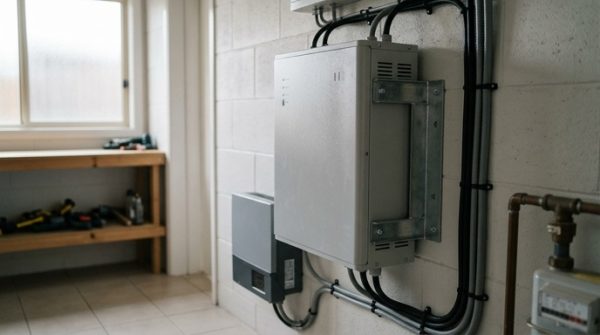
A standard solar PV install from a few years back came with a string inverter, and string inverters are not compatible with battery storage. Adding a battery in that case means fitting a hybrid inverter or an AC-coupled unit first.
That swap is an installer cost, not a grant-aided measure. Any quote for adding storage to an existing array should separate the battery from the inverter work so you can see what the €600 is actually reducing.
VAT on a Standalone Battery Retrofit
VAT treatment depends on how the battery is bought. Installed alongside solar panels under a single contract, the battery benefits from 0% VAT. Bought on its own as a separate retrofit, it attracts VAT at the standard rate of 23%.
On a battery at the upper end of that €3,500 to €5,500 range, the VAT difference is worth considerably more than the grant. Homeowners weighing panels now and storage later should price both orders before deciding.
Can You Claim the Battery Grant With an Existing Solar System?
Yes. Having solar panels already does not block a battery grant application, provided the property meets the standard criteria and has never drawn battery funding at that MPRN. You simply submit a new application for the battery measure through the grant portal.
If you have a live solar PV application that has not yet reached installation, you do not need to amend it. Submit the battery application separately and let both run. The one rule that cannot be bent is sequencing, because SEAI will not accept an application for works that have already started.
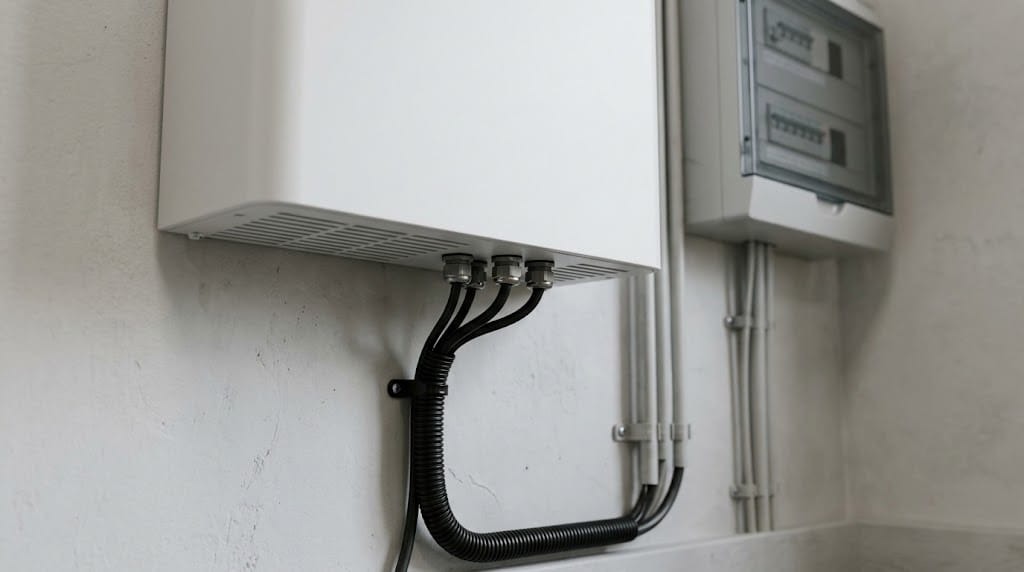
There is a practical check worth doing before you apply. Ask your installer to confirm inverter compatibility, available space and whether the battery can be sited outdoors, since SEAI recommends outdoor or well-ventilated placement with sign-off from a registered electrical contractor.
How the Battery Grant Stacks With the Solar PV Grant
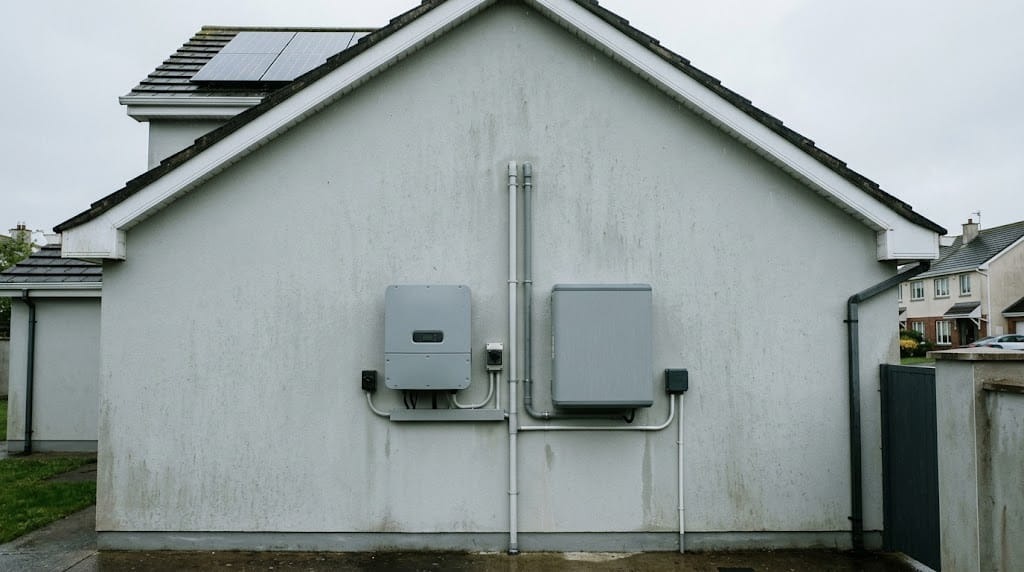
Both grants can be claimed for the same property, and when panels and storage go in together they run through one application rather than two. The combined ceiling for a standard homeowner is €2,400.
| Measure | Grant value | Key condition |
| Solar PV | Up to €1,800 | Amount scales with installed kWp |
| Home battery (5 kWh or larger) | €600 | Flat rate, no increase for bigger systems |
| Panels and battery together | Up to €2,400 | Single application, one grant offer |
Enhanced rates apply to households receiving certain Department of Social Protection payments, and fully funded packages exist under the Warmer Homes Scheme. Those routes are assessed separately and have their own eligibility tests, so the figures above are the standard homeowner position.
The full picture across solar grants in Ireland is worth checking before you commit to a system size.
How to Apply for the Battery Grant Step by Step
Applications run through SEAI’s online grant portal, and the order is fixed. Get quotes, apply, wait for the written offer, then install. Starting work before the offer arrives disqualifies the application outright, with no appeal.
- Get quotes from SEAI registered solar PV companies and agree a written contract covering works, price, timing and warranties.
- Apply online and wait for your Letter of Offer by email, checking that the named company matches the one doing the work.
- Let your installer apply to ESB Networks for the connection, which usually takes at least 20 working days.
- Complete the installation inside the 8 month window that runs from grant approval.
- Arrange the post-works BER assessment where solar PV is present, and have it published promptly.
- Confirm your installer uploads the Declaration of Works, commissioning certificate, Safe Electric certificate, NC6 form, invoice and photographs.
Payment is made into your nominated account once SEAI has reviewed the documentation. Allow four to six weeks for processing after everything has been submitted.
A missed post-works BER is the single most common cause of a delayed payment, so book the assessor as soon as you have an installation date.
Deciding Whether a Battery Is Worth It Now
The €600 moves the maths, though it rarely decides it on its own. What decides it is how much of your own generation you currently export, what tariff you are on, and whether your existing inverter can take a battery without being replaced.
A short conversation with an SEAI registered installer will settle all three faster than any online estimate. Get a quote for battery storage and have the inverter compatibility checked before you apply, so the grant offer you accept matches the system you actually need.