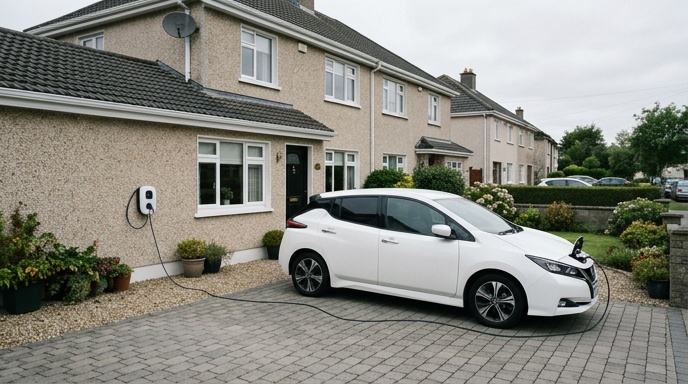
The SEAI EV Home Charger Grant pays up to €300 towards buying and installing a smart home charger. To get it, you apply online before any work starts and wait for a Letter of Offer. A Safe Electric registered electrician then fits a charger from SEAI’s approved list, and you claim the money within 6 months.
The EV charger grant in Ireland is easy to get right and just as easy to lose. Most refused claims come down to timing or paperwork. The charger itself is rarely the problem.
This guide covers what the grant pays, who qualifies, the exact application order, and the mistakes that cost people their €300.
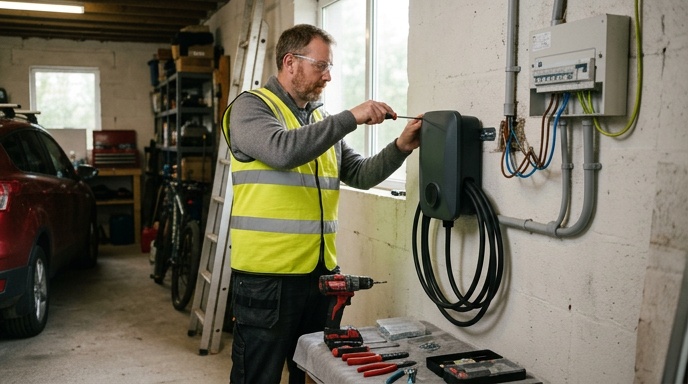
How Much Is the SEAI EV Charger Grant in Ireland?
The grant pays up to €300 per property towards a home charger. That amount covers both the charger unit and the installation, and you need invoices for both. Zero Emission Vehicles Ireland funds the scheme and SEAI runs it.
The €300 doesn’t cover everything. Electrical upgrades found during the job aren’t eligible, including:
- Earthing upgrades
- New meter tails
- Bonding work
If your property needs any of these, you pay for them yourself. For a full price breakdown, our guide on what a home charger installation costs sets out typical prices and shows where the grant fits.
Who Qualifies for the EV Home Charger Grant?
Any private homeowner or resident with their own off-street parking can qualify. You don’t need to own an electric car to apply. You can fit the charger ahead of buying one, or put it in for visitors or a rented property.
Your property must meet all of these conditions:
- Private residence with off-street parking. The driveway, charger and all the works must sit within your property boundary.
- Private applicant. The person who benefits must be a private individual, not a business.
- No previous claim. The property can’t have had an earlier home charger grant, or the free ESB ecars charger offered before 2018.
- One charger per MPRN. Only one grant-funded charger can be linked to each electricity meter point.
- Approved smart charger. The unit must be listed on SEAI’s Smart Charger Register.
Apartments and other multi-unit developments go through a separate Apartment Charging Grant. Homes without a driveway that want a charger arm over a footpath need a Section 5 exemption declaration or full planning permission first.

How to Apply for the EV Charger Grant Step by Step
The order matters more than anything else. Any work done or money spent before your Letter of Offer starts isn’t eligible. Follow these steps in sequence.
- Get an electrical survey. SEAI recommends this before you buy a charger, so any wiring or supply upgrades come to light early.
- Apply online. You’ll need your MPRN (printed on your electricity bill) and your Eircode.
- Receive two emails from SEAI. The first holds your Letter of Offer and a link to the Payment Request Form. The second contains an Installation Details Form. Forward that one to your electrician.
- Have the charger installed within 6 months. The electrician must be registered with Safe Electric and work to I.S. 10101, the national wiring rules.
- Collect your certification. The electrician gives you a Certificate Number 3 and a Test Record Sheet, and also files the certificate with Safe Electric.
- Submit your claim. Send SEAI the documents listed below.
- Get paid. Payment arrives by bank transfer, usually 4 to 6 weeks after SEAI has every document.
The documents for your claim are:
- Signed Payment Request Form with your bank details
- Copy of Certificate Number 3
- Copy of the Test Record Sheet
- Copies of the invoices
- Photos of the installed charger
You’ll find the full scheme terms and the application link on the SEAI home charger grant page. Our electricians are Safe Electric registered and give you the certificate and test sheet at handover. That way you have everything you need to claim on the day the charger is fitted.
Common Mistakes That Lose the EV Charger Grant
Most failed claims trace back to one of these six mistakes:
- Buying or fitting before the offer arrives. Any spending before the Letter of Offer starts can’t be claimed.
- Picking an unlisted charger. A charger that isn’t on SEAI’s Smart Charger Register doesn’t qualify, however good it is.
- Letting the offer run out. If the job isn’t finished within 6 months, you lose your eligibility and have to apply again.
- Using an unregistered electrician. Without a Safe Electric Certificate Number 3, SEAI won’t pay.
- Sending incomplete documents. Missing photos or invoices hold up payment until SEAI has everything.
- Expecting the grant to cover upgrades. Earthing, meter tails and bonding are always paid by the homeowner.
SEAI can also inspect a property before or after paying out. If an install breaches the terms, SEAI can ask for the full grant back.
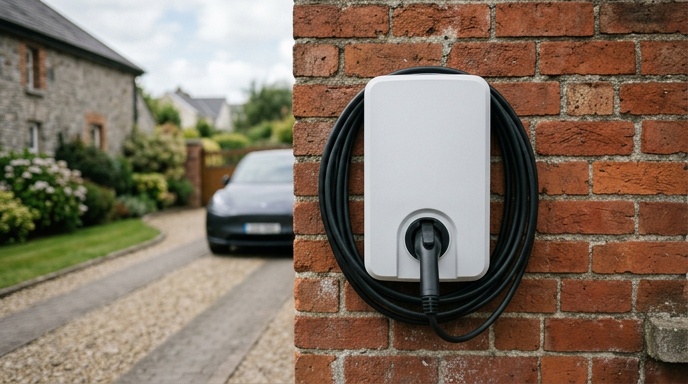
Can You Claim the EV Charger Grant and Solar PV Grant Together?
Yes. They’re separate schemes with separate applications. Claiming one doesn’t stop you claiming the other, as long as you meet each scheme’s own rules. One difference is that the solar grant has a cut-off based on the year the home was built, while the charger grant has no such rule.
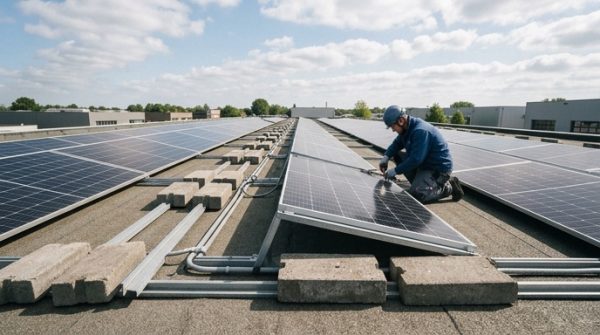
Fitting both at the same time is also practical. With a solar-aware smart charger, the car can charge from surplus daytime generation instead of sending that power back to the grid. An electrician who is already working on your consumer unit can also plan both jobs together.
Our solar panel grants guide covers the current solar figures and eligibility rules, so you can see whether a combined install suits your home.
Getting Your Home Charger Grant-Ready
Apply first, wait for your Letter of Offer, and only then book a Safe Electric registered electrician to fit an approved smart charger. If you follow that order and keep your paperwork together, the €300 grant is very hard to lose.
If you’d like a charger fitted by a team that handles the certification and can pair it with solar, request a free quote here and we’ll come back to you within 24 hours.