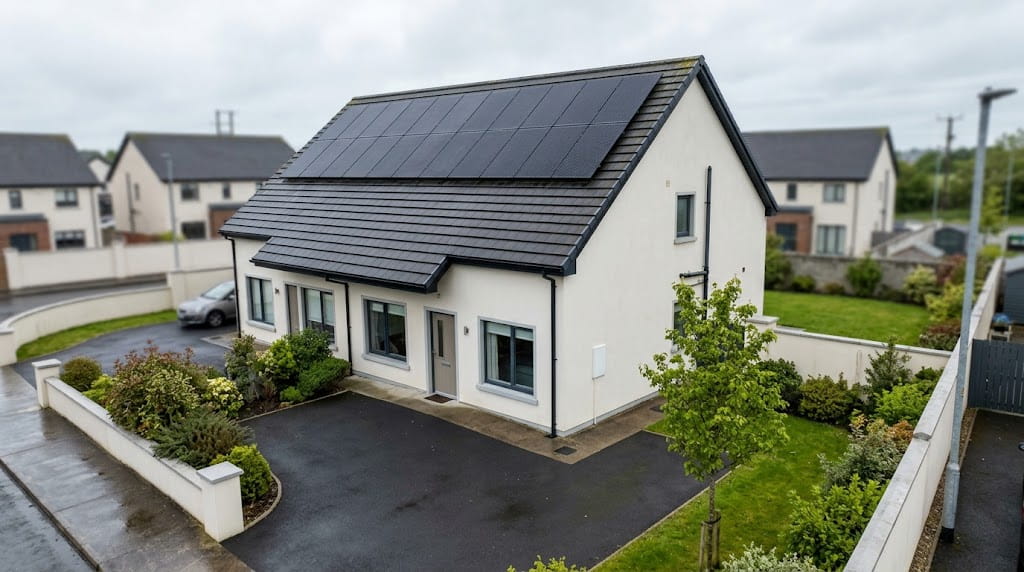
You can now claim the SEAI solar electricity grant if your home was built and occupied before 2025. The cut-off moved from 2021 on 6 October 2026, so houses finished between 2021 and 2024 qualify for the first time.
That change makes the SEAI grant for new builds worth up to €1,800 for solar panels. A separate €600 grant covers a home battery. Whether a particular newer home gets paid still depends on its build date, any existing panels and the application timing, so check these before you book a survey.
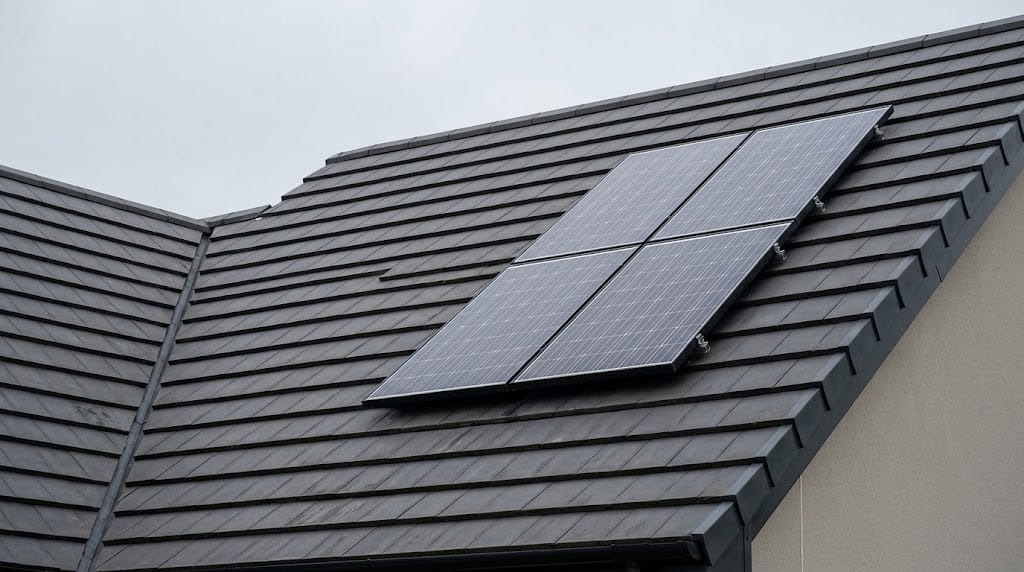
Which New Build Homes Qualify for the SEAI Solar Grant?
A new build qualifies for the SEAI solar grant if it was built and occupied before 2025, has an MPRN, and has never had SEAI solar PV funding at that MPRN. Homeowners, private landlords, owner management companies and approved housing bodies can all apply.
| Home Built and Occupied | Eligible Before 6 October 2026 | Eligible From 6 October 2026 |
| Before 2021 | Yes | Yes |
| 2021 to 2024 | No | Yes |
| 2025 or later | No | No |
Newer homes were previously excluded because they were built under Part L of the Building Regulations, which already sets a higher energy standard. The SEAI solar electricity grant page has the current conditions in full. Read the terms on the day you apply, because the rate that applies is the one in force on that date.
How Much the SEAI Grant Pays for Solar Panels and Batteries on New Builds
The SEAI solar PV grant pays up to €1,800. It is €700 per kWp for the first 2kWp, then €200 per kWp up to 4kWp. A battery of 5kWh or larger gets a separate €600, which brings the standard maximum to €2,400.
| System | SEAI Grant |
| 2kWp solar PV | €1,400 |
| 3kWp solar PV | €1,600 |
| 4kWp or larger solar PV | €1,800 |
| Battery of 5kWh or larger | €600 |
| Solar PV plus battery, maximum | €2,400 |
The grant rate is fixed on the date you apply. If you cancel and reapply, the rate in force on the new date applies instead. Our solar grants guide covers every scheme, including the supports for businesses and farms.
What New Build Owners Should Check Before Applying for the SEAI Grant
The two things that most often trip up newer homes are panels the builder already fitted and the battery size rule. You can confirm both before you apply, which avoids a refused claim later.
Solar Panels Already Fitted by the Developer on a New Build
Some homes built from 2021 already have panels from the build stage, because solar PV is one way to meet Part L. SEAI’s terms rule out a home that has had SEAI solar PV support before, and they support one solar PV system per property.
The rules don’t say whether adding to a builder-fitted array counts as a new system. If your roof already has panels, confirm with SEAI before you apply.
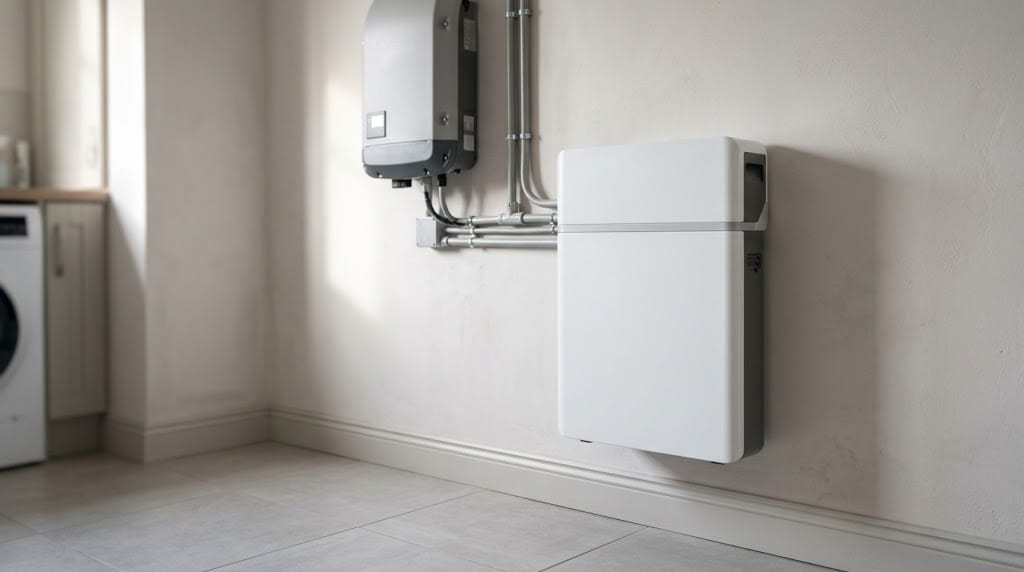
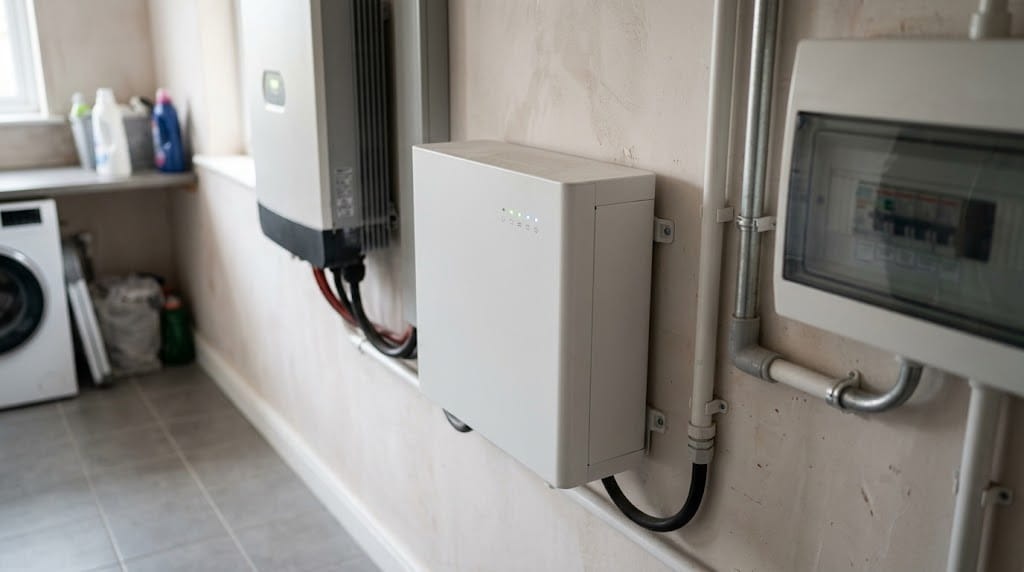
The battery grant is the simpler route for these homes. It doesn’t require new solar panels, so a battery added to an existing array can still earn €600. Our guide to adding a battery to an existing solar system covers sizing and compatibility.
Battery Size Rules for the SEAI Battery Grant
The battery must be 5kWh or larger, and the grant is paid once per MPRN. A battery under 5kWh earns no battery grant.
If you’re installing panels and a battery together, both go into one application. If you have already applied for solar, you can still make a separate battery application, as long as the battery installation hasn’t started.
How to Apply for the SEAI Grant for a New Build
You apply online through SEAI once you have chosen a registered installer. You must have your letter of offer before any work starts. From approval, you have 8 months to install the system, get a post-works BER and submit the paperwork.
- Choose an SEAI-registered installer. SEAI pays the grant only through the company named on your letter of offer.
- Apply and wait for your letter of offer. Costs incurred before approval are not eligible.
- Let your installer notify ESB Networks. The installer submits an NC6 form before installation, and SEAI says this usually takes at least 4 weeks.
- Install within 8 months. The grant expires if the works aren’t completed and declared within 8 months of approval.
- Book a post-works BER. A registered BER assessor rates the home after installation.
- Submit the paperwork. Your installer uploads the completion documents, and payment usually follows in 4 to 6 weeks.
A home solar installation from a registered company should include the grant paperwork. Our team handles the full SEAI application, which keeps the 8-month window on track.
Which Newer Homes Still Fall Outside the SEAI Solar Grant?
Homes completed and occupied in 2025 or later can’t claim the SEAI solar grant. The wider rule covers homes built and occupied before 2025, so the newest estates are still outside the scheme.
These cases also miss out:
- Homes completed and occupied in 2025 or later
- Homes where an SEAI solar PV grant has already been paid at that MPRN
- Batteries under 5kWh, for the battery grant
- Any job started before the letter of offer arrived
A home on the wrong side of the date can still benefit from solar without a grant, through lower bills and export credits under microgeneration.
Getting a Newer Home Ready for the SEAI Solar Grant
If your home was finished between 2021 and 2024, the October 2026 change puts up to €2,400 in SEAI support within reach. Check for existing panels, choose a battery size that qualifies, and get the letter of offer in place before any work starts.
Request a free solar quote and we’ll check your home’s eligibility before the survey.