
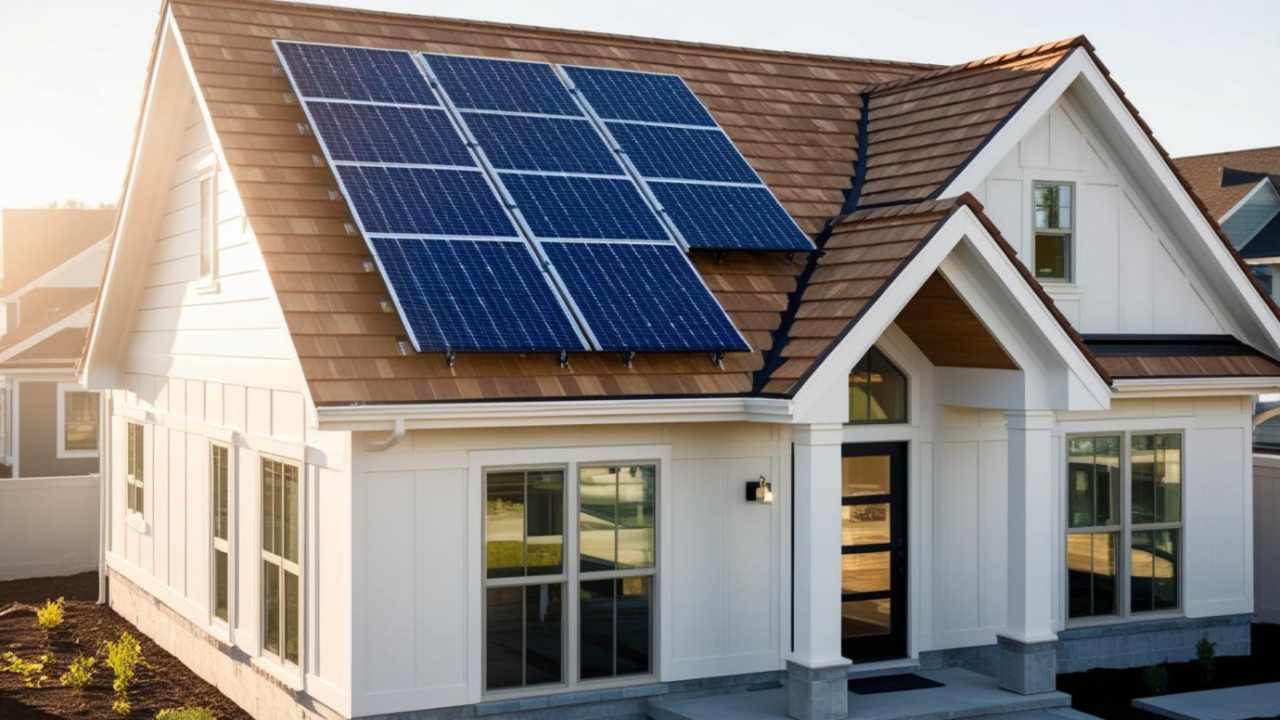
Installing solar panels is one of the most effective ways for new homeowners to reduce long-term energy costs and make their homes more sustainable. However, there are several important steps and requirements to understand before moving ahead with an installation.
From financial support to technical standards, each factor plays a role in ensuring your system performs well for decades. By exploring what should new homeowners in Ireland know before installing solar, you can make decisions that maximise both savings and efficiency.
This guide outlines the key points to consider so you can confidently plan your solar investment.
Let’s start!
Why Solar Panels Are a Smart Choice for Irish Homes?
Ireland’s climate may be known for its cloudy days, but modern solar technology is designed to work efficiently even with softer, indirect sunlight. Today’s photovoltaic systems can capture sunlight year-round, allowing homeowners to generate significant amounts of electricity regardless of the weather.
With energy prices continuing to rise, solar power offers an effective way to manage household costs while also supporting a more sustainable lifestyle. For many households, a well-sized solar PV system can cover a large share of annual electricity use.
When paired with battery storage and mindful energy habits, the benefits become even greater. Homeowners gain greater independence from the grid, enjoy long-term savings, and reduce their overall carbon footprint, all while relying on a clean, reliable source of power.
How Much Could You Save at Home With Solar Panels?
The amount you save with solar panels depends on your household’s electricity use, the size of your solar system, and how much of the generated energy you consume directly. A typical Irish home using around 4,200 kWh a year can produce most of that through a well-designed PV setup.
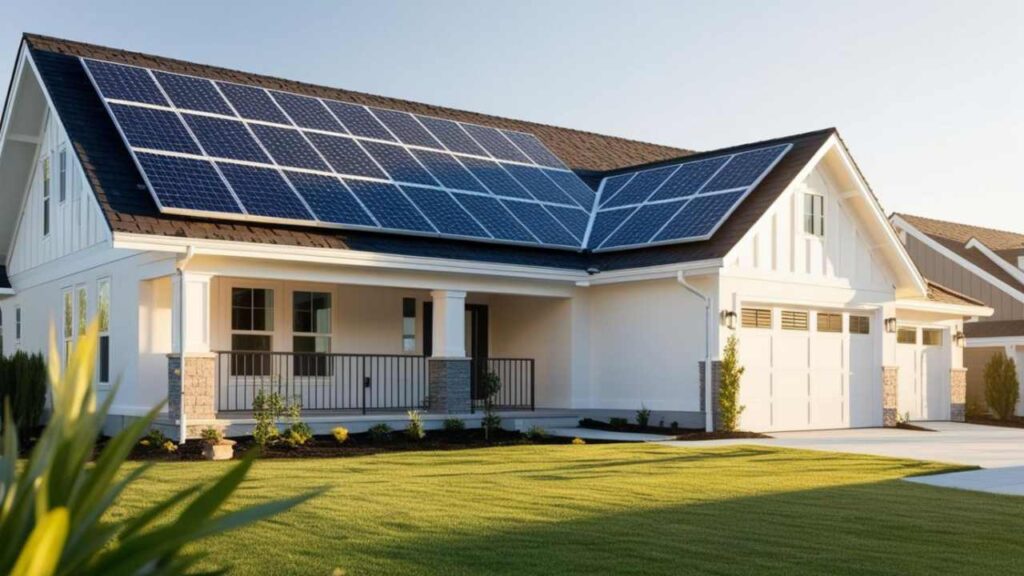
With a 4 kW solar system, many households generate between 3,400 and 3,800 kWh annually, resulting in potential savings of €800 to €1,000 per year, depending on energy prices. Adding a battery can further increase these savings by allowing you to store excess power and rely less on the grid.
What Are The Important Factors to Review Before Installing Solar Panels in Your New Home?
Before investing in a solar PV system, it’s important to understand the practical, financial, and technical steps involved.
Understanding what new homeowners in Ireland should know before installing solar? helps you plan confidently and make the most of the available benefits.
1. Eligibility and Financial Incentives
New homeowners may not qualify for the SEAI Solar PV Grant, but they still benefit from strong financial support, such as the 0% VAT rate on supply and installation. This significantly reduces upfront costs and makes solar far more affordable.
You can also earn through the Clean Export Guarantee (CEG), which pays you for any unused electricity exported back to the grid, provided you have a smart meter installed. Comparing CEG rates across suppliers ensures you get the best return.
2. Technical and Legal Requirements
Most homes in Ireland do not require planning permission for rooftop solar, but exceptions apply to protected structures, ACAs, or Solar Safeguarding Zones. Your installer must be SEAI-registered and Safe Electric certified to ensure the system meets strict safety and technical regulations.
Compliance with Irish building standards is essential, including structural checks and electrical safety, all of which a qualified installer will manage on your behalf.
3. System Planning and Optimisation
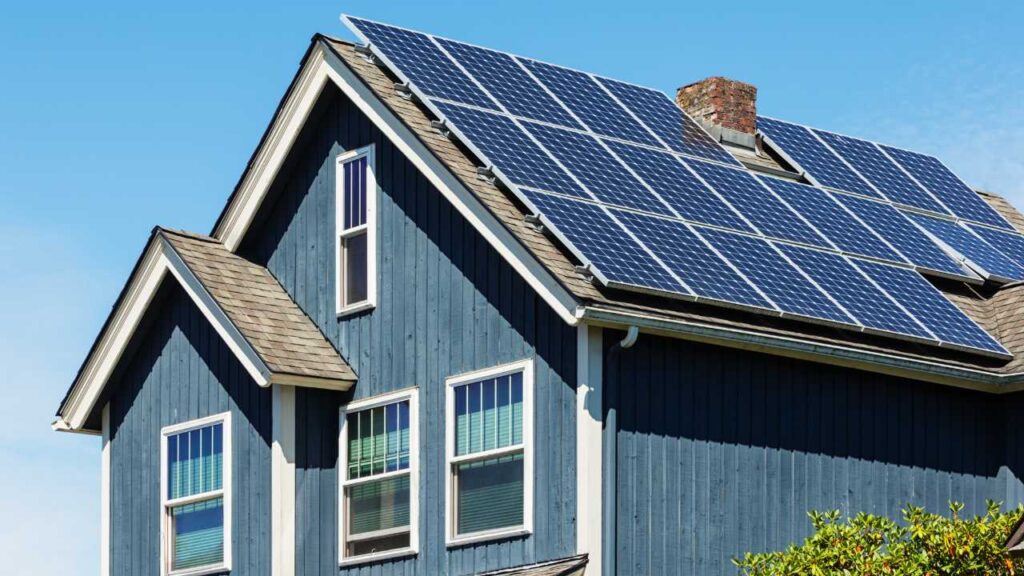
A successful installation begins with assessing your roof condition, orientation and any potential shading. South-facing roofs offer the best output, but east and west installations can still perform well.
System size should be based on your actual electricity use to maximise savings, especially when major appliances run during daylight. Adding a battery can increase self-sufficiency, while modern monitoring tools help you track and maintain system performance over time.
4. Roof and Property Suitability
Before installation, it is essential to ensure your roof is strong, secure, and suitable for long-term solar mounting. Since panels last over 25 years, the underlying roof should be in good condition to avoid future disruptions.
Considerations such as roof tilt, space availability, and chimney or tree shading all influence how well your system will perform. A professional survey helps identify the best layout for efficiency and durability.
Conclusion
Installing solar panels is a smart long-term choice for new homeowners, but taking time to understand the requirements, incentives, and system options will ensure the best results. By reviewing eligibility for support, meeting technical and legal standards, and planning a system that suits your roof and energy needs, you can maximise savings and enjoy reliable renewable power for decades. With thoughtful preparation, solar becomes an efficient and cost-effective addition to any modern home.
If you are ready to take the next step or need expert guidance, contact SPV Energy today. Their team can assess your property, explain your options clearly, and help you install a high-performing solar system with confidence.
FAQs
1. Do new homeowners qualify for solar grants in Ireland?
New homeowners may not qualify for the SEAI Solar PV Grant if the home was built after 2021 or occupied after 2021. However, they can still benefit from incentives such as 0% VAT on solar installations, which reduces overall costs.
2. Do you need planning permission for solar panels in Ireland?
Most homes do not require planning permission for rooftop solar systems. Exceptions include protected structures, architectural conservation areas and solar safeguarding zones near airports.
3. Is my roof suitable for solar panels?
A good roof for solar has minimal shading, a strong structure and suitable orientation. South-facing roofs perform best, but east and west-facing roofs also work well in Ireland’s climate.
4. Do solar panels work well in Ireland’s weather?
Yes. Solar panels generate electricity from daylight rather than direct sunlight. Ireland’s mild temperatures even help panels operate more efficiently year-round.
5. Can SPV Energy help check if my home is ready for solar installation?
Absolutely. SPV Energy carries out full site assessments, including roof checks, shading analysis and system suitability, to ensure the installation meets your needs.
6. Does SPV Energy support new homeowners with paperwork and grant guidance?
Yes. The SPV Energy team assists with all technical requirements, grant eligibility checks, and smart meter coordination, making the process simple and stress-free.