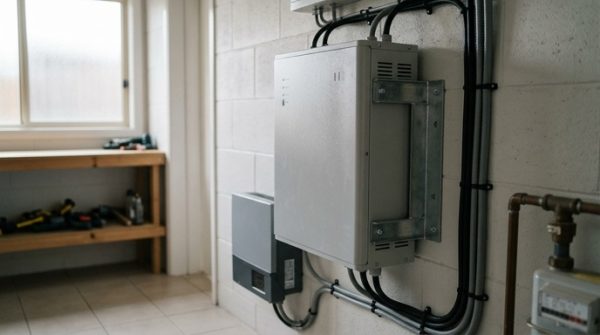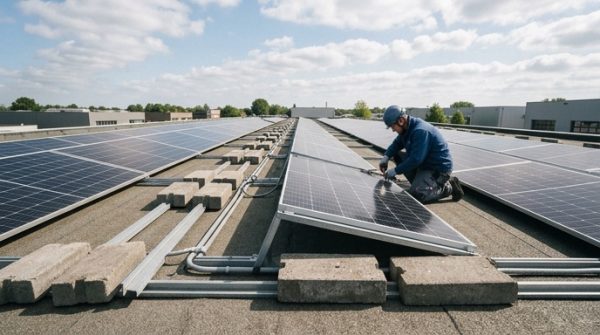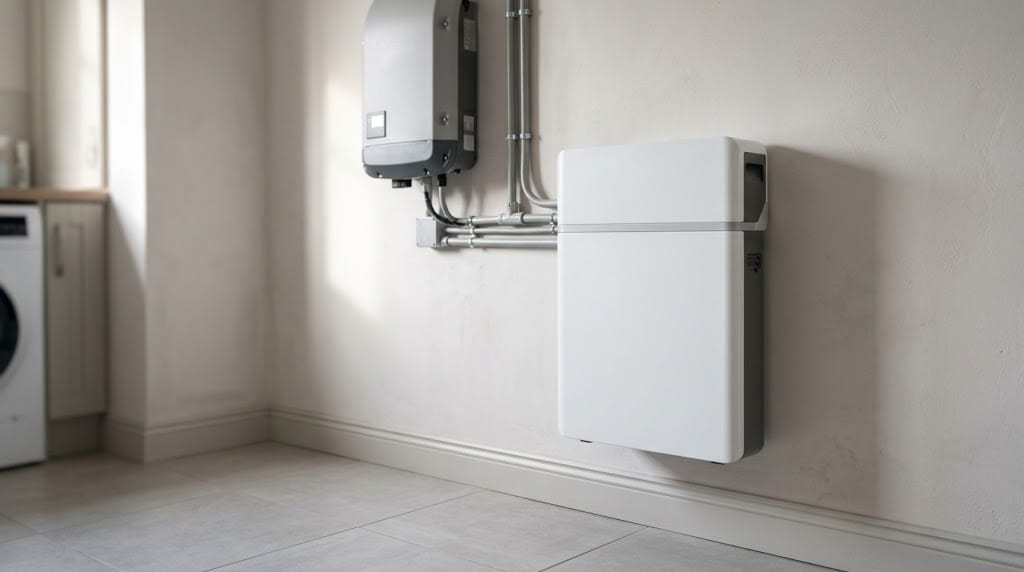
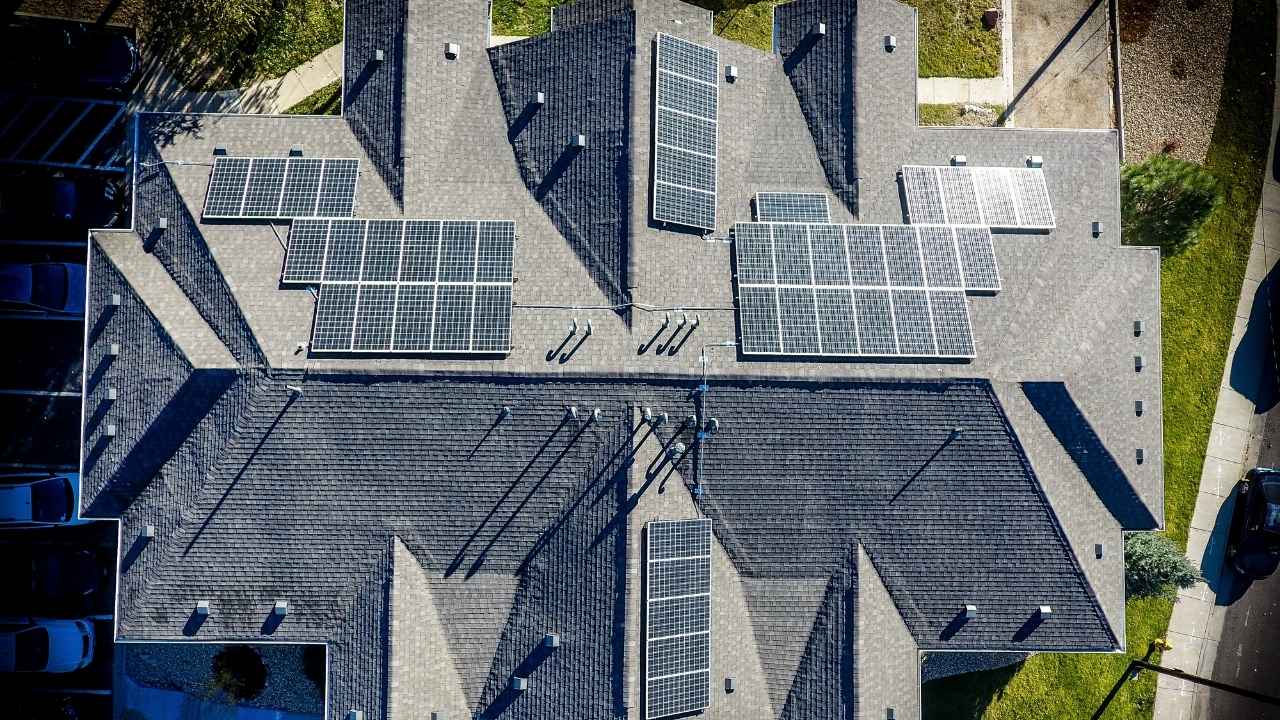
The main benefits of solar power for churches are lower electricity bills, paid export of surplus power, steadier running costs and a visible commitment to caring for creation. In Ireland, the SEAI Non-Domestic Microgen Grant now covers an effective 45% of eligible costs for new applications made by 6 July 2027, which changes the sums for a parish considerably.
Churches use power differently from homes and businesses. Demand peaks on Sunday mornings and at evening services, while panels produce most on weekday afternoons. Getting the full value means sizing the system around that pattern, using the export payment correctly and claiming the right grant for each building on the parish site.
What Are the Main Benefits of Solar Power for Churches in Ireland?
The benefits of solar power for churches come down to five things. The panels cut daytime electricity costs, earn a payment for surplus units, cost far less upfront with the SEAI grant, make running costs easier to budget and show the parish acting on its values.
- Lower electricity bills.Every unit the panels produce while the building is in use is a unit the parish doesn’t buy from its supplier.
- Paid export. Surplus electricity sent to the grid earns a per-unit payment from your supplier under the Clean Export Guarantee.
- A smaller upfront cost. The enhanced Non-Domestic Microgen Grant pays up to 45% of eligible costs for new applications in the current window.
- Steadier running costs. Generating part of your own power reduces exposure to supplier price rises, which makes the annual budget easier to plan.
- Visible stewardship. Panels on a church or parish hall roof are a public sign of care for the environment that parishioners, schools and local groups can see.
Money saved on electricity stays in the parish. It can go towards the community work that sits at the heart of church life, from youth programmes to supporting local families.
Can Churches Get the SEAI Non-Domestic Microgen Grant for Solar Panels?
Yes. Churches and parish buildings can apply for the SEAI Non-Domestic Microgen Grant (NDMG), which is open to community centres, non-profit societies, schools, public bodies, farms and businesses. This grant is the main commercial case for church solar, and most parishes have never heard of it.
From October 2026, the grant was temporarily raised from about 23% of installation costs to an effective 45% of eligible costs, for new applications made up to 6 July 2027. The key facts are set out below.
- Maximum grant of €325,200
- Systems up to 1,000kWp can be grant funded
- Grant offer must be in place before any materials are bought or work starts
- Installation by a company on SEAI’s Non-Domestic Microgen register
- One grant per electricity account (MPRN)
- Offers are valid for eight months from the letter of offer
Our guide to solar grants in Ireland covers every current scheme in more detail, including the domestic, battery and farm grants.
How the 45% Church Solar Grant Is Calculated
SEAI first sets a grant value from your system’s size, then pays whichever is lower, that value or 45% of the final invoiced cost. A fairly priced system lands at or close to the 45% mark, but the grant can never exceed 45% of what the parish actually paid.
The enhanced rate applies to new applications only. Offers issued before the uplift are not increased, and works already started stay on their original offer. The full band table is published on SEAI’s Non-Domestic Microgen Grant page with the scheme terms and application guide.
Which Parish Buildings Qualify for Which SEAI Solar Grant
The church and parish hall go through the non-domestic grant, while a parochial house lived in as a home normally falls under the domestic solar PV grant instead. Each building’s electricity account decides the route.
| Parish building | SEAI grant route | Key conditions |
| Church | Non-Domestic Microgen Grant | Effective 45% rate for new applications to 6 July 2027, up to €325,200 |
| Parish hall or community centre | Non-Domestic Microgen Grant | Each MPRN can receive the grant once |
| Parochial house or presbytery used as a home | Domestic solar PV grant | Up to €1,800 for a home built and occupied before 2025, plus €600 for a battery of 5kWh or more |
How Do Churches Get Paid for Exported Solar Electricity in Ireland?
Churches get paid for surplus solar electricity through the Clean Export Guarantee (CEG), part of Ireland’s Micro-generation Support Scheme. Ireland does not have net metering. Instead, your electricity supplier pays a per-unit rate for each kWh you export, usually as a credit on the bill.
Suppliers set their own CEG rates under rules overseen by the Commission for Regulation of Utilities, so the rate varies between suppliers and changes over time. To receive it, a church needs the following in place.
- The export connection registered with ESB Networks, which your installer handles
- A smart meter to record exported units, where the site is eligible for one
- A renewable system that supplies the building first and exports only the surplus
Exported units typically earn less than imported units cost. For that reason, every unit a church uses on site is worth more than a unit it sends to the grid.
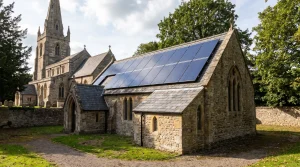
How Should a Church Size Its Solar PV System?
A church should size its solar PV system around the electricity it uses during weekday daylight hours. Panels produce most between late morning and mid-afternoon, when many churches are quiet, so an array sized for the Sunday peak ends up exporting much of its output at the lower CEG rate.
Start by listing what runs through the week. Common daytime loads on a parish site include these.
- The parish office, phones and IT
- Hall bookings, playgroups and community groups
- Heating pumps, boilers and their controls
- Security systems, alarms and emergency lighting
- Weekday morning Masses, funerals and other services
Twelve months of bills give a rough picture, and half-hourly smart meter data gives a far better one. Our commercial solar installation process starts with that usage review before any panel count is fixed.
A battery can move some midday output into evening services. Keep in mind the Non-Domestic Microgen Grant is calculated on solar PV capacity, so storage adds cost to the project without adding to the grant.
Do Churches Need Planning Permission for Solar Panels?
Most churches can install rooftop solar panels without planning permission, because 2022 regulations extended solar exemptions to a range of non-domestic buildings. However, the exemption does not apply if the works would materially affect the character of a protected structure or an Architectural Conservation Area.
Many Irish churches are protected structures, so this check matters more for a parish than for a typical business. Before committing, a parish should take these steps.
- Check whether the church appears on the local council’s Record of Protected Structures.
- Consider less visible roofs first, such as the parish hall, sacristy or a rear roof slope.
- Ask the council for a declaration on whether planning permission is needed, if there’s any doubt.
Sites near airports may also sit inside a Solar Safeguarding Zone, where extra limits apply to rooftop panel area.
How Can a Church Apply for the 45% Solar Grant Before July 2027?
A church applies for the 45% grant by choosing a registered installer, securing the SEAI letter of offer and only then starting work. The enhanced rate is open to new applications until 6 July 2027, and the steps are as follows.
- Gather 12 months of electricity bills and the MPRN for each building.
- Get quotes from SEAI-registered Non-Domestic Microgen companies and agree a contract with your chosen installer.
- Apply online to SEAI and wait for the letter of offer. Do not buy materials or start work before it arrives.
- Your installer applies to ESB Networks for the grid connection, which takes at least four weeks.
- The system is installed and commissioned, and the installer uploads the completion documents to SEAI.
SEAI aims to pay within four to six weeks of receiving all documents, longer if the site is inspected. If a parish receives more than €10,000 in grants in a calendar year, it also needs a Tax Clearance Certificate from Revenue, so it’s worth arranging that early.
Next Steps for Church Solar Before the Grant Window Closes
The benefits of solar power for churches have never been easier to justify, with the grant now covering an effective 45% of eligible costs for a limited window. The parishes that gain most are the ones that size the system to their weekday use, check planning status early and get the SEAI offer in place before July 2027.
We’re registered with SEAI and Safe Electric and handle the grant application and ESB Networks paperwork from start to finish. To find out what your church or parish hall could save, request a free solar quote and our team will review your usage and roof before recommending a system.