
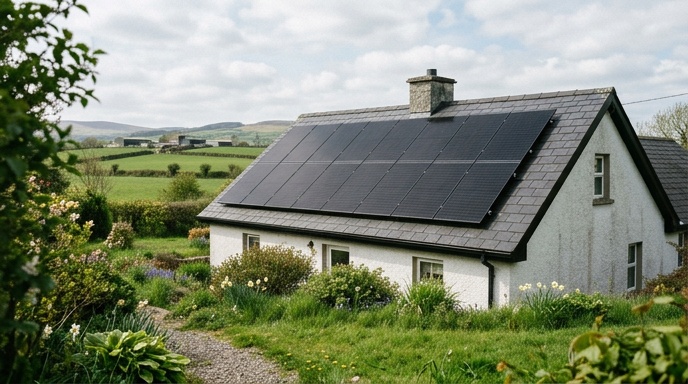
A 5kW solar system is one of the most popular setups for Irish homes, striking a solid balance between upfront cost, roof space and daily energy output. If you’ve got a 3- or 4-bedroom house with average electricity use, this size tends to fit the bill nicely.
In most cases, a fully installed 5kW solar system in Ireland costs between €8,500 and €13,000 before the SEAI grant, dropping to roughly €6,700 to €10,200 after the €1,800 grant is applied. Expect annual output of around 4,200 to 4,800 kWh and yearly savings of €900 to €1,400, depending on how much of that power you use directly.
Below, we’ve broken down the real numbers, what drives the price up or down, and how quickly the system pays for itself. No fluff, just the figures a homeowner actually needs before signing off on a quote.
How Much Does a 5kW Solar System Cost in Ireland?
A 5kW solar system in Ireland typically costs €8,500 to €13,000 fully installed before the SEAI grant. After the €1,800 residential grant, most homeowners pay between €6,700 and €10,200. Prices vary based on panel brand, inverter type, roof complexity and whether battery storage is included.
The 0% VAT rate on solar panels for domestic installs has already been factored into the quote you’ll receive. That’s a straight saving passed on by installers since the government scrapped VAT on residential solar back in 2023.
- Panels only (no battery): €8,500 to €10,000
- Panels with hybrid inverter (battery-ready): €9,500 to €11,000
- Panels plus 5kWh battery storage: €11,500 to €13,500
- Add-ons like an Eddi hot water diverter: €600 to €900 extra
These figures assume a straightforward roof, standard scaffolding and a simple grid connection. If your property needs extra work, the price shifts. You can use our solar calculator for the real estimate.
What Does a 5kW Solar System Actually Include?
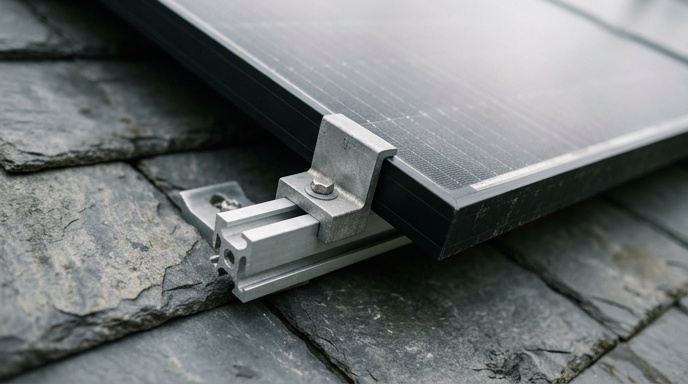
A standard 5kW system in Ireland includes roughly 12 to 13 solar panels rated at 400W to 440W each, mounted on your roof with an inverter that converts the DC electricity into usable AC power for your home. It’s a complete package designed to run quietly in the background for 25+ years.
The Core Components
Every install includes the same fundamental parts, though the brand and spec can vary depending on your budget and installer.
- Solar panels: Usually monocrystalline, tier-one brands with a 25 to 30 year performance warranty.
- Inverter: Either a string inverter (cheapest), microinverters (best for shaded roofs) or a hybrid inverter (battery-ready).
- Mounting system: Rails and clamps rated for Irish wind loads.
- Cabling, isolators and monitoring: Everything needed for safe grid connection and app-based tracking.
Optional Extras Worth Considering
Battery storage is the big one. A 5kWh battery adds around €3,000 to €3,500 but lets you store daytime solar for evening use. An Eddi diverter is another smart add-on, sending surplus power to heat your immersion tank instead of exporting it at a lower rate.
How Much Electricity Will a 5kW System Produce?
A 5kW solar system in Ireland generates roughly 4,200 to 4,800 kWh per year, depending on roof orientation, tilt and shading. That’s enough to cover 60% to 80% of the annual electricity use of a typical Irish household consuming around 4,200 kWh a year.
South-facing roofs at a 30 to 35 degree pitch give the strongest yields. East-west split roofs still perform well, spreading generation more evenly across the day, which suits families who use power in the morning and evening rather than at midday.
- Summer months (May to August): 500 to 650 kWh per month
- Shoulder months (March, April, September, October): 300 to 450 kWh per month
- Winter months (November to February): 100 to 200 kWh per month
Yes, output drops in winter. That’s just the reality of shorter days and lower sun angles. However, panels still generate on cloudy days, and the annual average across Ireland works out remarkably well when you look at the full year.
What Savings Can You Expect Each Year?
Most Irish homeowners with a 5kW system save between €900 and €1,400 a year on their electricity bills. The exact figure depends on how much solar power you use directly versus export to the grid, and your current electricity unit rate.
Direct Use vs Export
Using solar electricity in real time is where the biggest savings sit. Every unit you generate and use immediately offsets a unit you’d have bought at around 30 to 35 cent. Surplus power exported to the grid earns you the microgeneration feed-in tariff, typically 18 to 24 cent per kWh, paid as a credit by your supplier.
- Self-consumption savings: Around 30 to 35 cent per kWh used directly
- Export earnings: Around 18 to 24 cent per kWh sent to the grid
- Battery storage boost: Adds another €200 to €400 per year in savings by shifting daytime solar to evening use
Payback Period
Based on typical savings, a 5kW system pays for itself within 6 to 9 years. After that, you’re looking at 15+ years of near-free electricity, since panels are warrantied for at least 25 years. The official SEAI guidance on the Solar Electricity Grant gives further detail on eligibility and payback expectations for domestic systems.

What Affects the Final Price of Your Install?
The €8,500 to €13,000 range covers most standard installs, but several factors can push the price up or down. Knowing what drives the cost helps you compare quotes properly rather than getting hooked on the headline number.
Roof Type and Access
Slate roofs, high pitches, dormer roofs and second-storey installs all add labour time. Flat roofs need ballast frames, which cost more than standard mounts. If scaffolding needs to wrap around the whole house, that’s another few hundred euro on top.
Panel and Inverter Choice
Premium tier-one panels with higher efficiency ratings cost more but generate more power per square metre. Hybrid inverters cost more than string inverters but let you add a battery later without replacing anything. Microinverters cost the most but shine on shaded or complex roofs.
Battery Storage
Adding a battery is the single biggest cost lever. A 5kWh unit typically adds €3,000 to €3,500. Whether it’s worth it depends on your usage pattern. If you’re out all day and use most electricity in the evening, a battery makes strong financial sense. If you’re home during the day, self-consumption without storage may already cover most of your needs.
Grid Connection and Paperwork
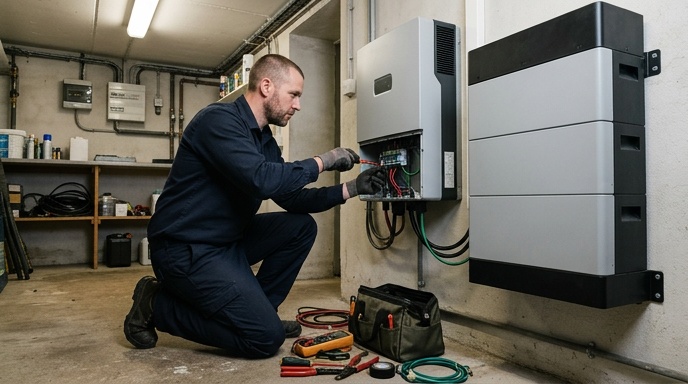
Every install needs to be registered with ESB Networks and connected to a smart meter to earn the feed-in tariff. A good installer handles all this paperwork, along with the SEAI grant application.
Is a 5kW System the Right Size for Your Home?
A 5kW system suits most three to four bedroom homes in Ireland with average annual electricity use of 4,000 to 5,000 kWh. If your usage is higher, or you’re planning to add an EV or heat pump, a 6kW or 10kW solar system in Ireland may serve you better in the long run.
Signs a 5kW System Fits
- Annual electricity use around 4,000 to 5,000 kWh
- Roof space of roughly 25 to 30 square metres facing south, east or west
- No plans for major electrical additions in the next 5 years
- Household of 3 to 5 people with typical daytime and evening use
When to Size Up
If you’re driving an EV, using a heat pump for heating, or running a home office with high daytime loads, jumping to a 6kW or 7kW system often makes more sense. The extra panels only add marginal cost per kWp, but the additional generation pays back faster when self-consumption is high.
How to Get an Accurate Quote for a 5kW System
The only way to know the true cost for your home is a proper site survey. A good installer will assess your roof orientation, pitch, shading, existing wiring and consumption pattern before quoting. Anything less than that is a guess dressed up as a number.
When comparing quotes, look for SEAI registration, clear breakdowns of panel and inverter brands, a warranty schedule, and confirmation that grant paperwork and ESB Networks registration are included. The cheapest quote isn’t always the best value if key inclusions are missing.
For a detailed site survey and a fixed-price quote on a 5kW solar system tailored to your home, get in touch with our team for a free assessment.