
Generating solar power is a smart investment, but many homeowners and businesses are unsure what happens to excess solar electricity in Ireland. When their system produces more energy than they can use. Without clear information, it’s easy to worry that surplus electricity is being wasted or that valuable savings are slipping away unnoticed.
Knowing what happens to excess solar electricity in Ireland helps you make smarter decisions about solar panels, battery storage, and exporting energy back to the grid. With electricity prices rising and renewable energy policies evolving across Ireland, having clarity on this topic ensures you get the most long-term value from your solar system.
In this blog, we will explore where excess solar electricity goes, how it is stored or exported, the schemes that support solar producers, and the best ways to maximise the benefits of your solar energy system.
Why Do Solar Panels Produce Excess Electricity in Ireland?
Solar panels produce excess electricity in Ireland when the amount of energy generated is greater than what a home or business is using at that moment. This commonly occurs during daylight hours, particularly in spring and summer, when solar panels are most productive, but energy demand is often lower.
Many households are empty during the day, meaning appliances and heating systems are not drawing much power while solar generation is at its peak. Advances in solar panel efficiency also contribute to surplus electricity. Modern systems are designed to meet annual energy needs rather than hourly consumption, which naturally leads to periods of overproduction.
Additionally, energy-efficient appliances and improved insulation reduce daytime electricity use, increasing the likelihood of excess power being generated. Even in Ireland’s variable climate, solar panels can still produce electricity in cloudy conditions, making surplus generation a regular and expected part of solar energy systems.
What Happens to Excess Solar Electricity in Ireland?
When solar panels generate more electricity than is immediately required, the surplus energy is managed efficiently rather than wasted. Ireland’s solar framework allows excess electricity to be used, stored, or shared with the national grid.
The outcome depends on system design, battery availability, and grid export arrangements.
On-site energy use
Solar PV systems always prioritise powering your property first. Any electricity generated is immediately used to run appliances, lighting, and equipment before grid power is drawn. This reduces electricity bills and increases the overall efficiency of your solar system. Scheduling energy-intensive activities during daylight hours can further maximise solar self-consumption.
Battery storage
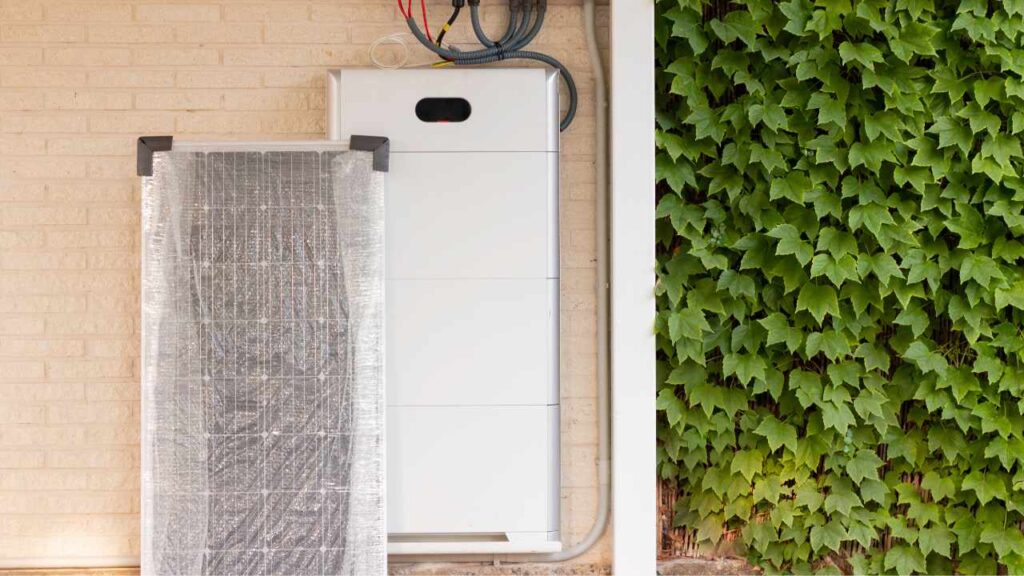
If a battery is installed, excess electricity is diverted into storage rather than exported. Stored solar energy can be used later in the evening or at night when panels are no longer producing power. Battery systems help increase energy independence and reduce reliance on grid electricity. They are particularly useful during periods of higher electricity tariffs.
Grid export
Once on-site needs and battery capacity are met, remaining solar electricity is automatically exported to the national grid. This process requires no manual input and supports Ireland’s renewable energy supply. Exported electricity helps balance demand across the network and reduces reliance on fossil fuel generation.
Export payments
Through the Clean Export Guarantee, exported solar electricity may earn financial credit. Electricity suppliers pay for each unit sent to the grid, although rates vary. While export income is usually modest, it improves long-term return on investment. These payments also encourage wider adoption of renewable energy across Ireland.
Environmental Impact of Exporting Excess Solar Electricity
Exporting excess solar electricity plays an important role in reducing Ireland’s overall carbon footprint. When surplus solar power is sent to the national grid, it replaces electricity that would otherwise be generated using fossil fuels such as gas or coal. This directly lowers greenhouse gas emissions and helps improve air quality across the country.
By feeding clean energy back into the grid, solar producers support Ireland’s renewable energy targets and reduce pressure on traditional power stations. Distributed solar generation also strengthens energy resilience by diversifying supply sources and reducing reliance on imported fuels.
Over time, widespread export of excess solar electricity contributes to a cleaner, more sustainable energy system. It helps accelerate the transition to renewable energy while encouraging responsible energy production at a local level. Even small-scale exports from homes and businesses collectively make a meaningful environmental impact.
What are the Financial Benefits of Excess Solar Electricity?
Excess solar electricity can provide more than just environmental value for homeowners and businesses. When managed correctly, surplus energy helps improve long-term savings and the overall return on a solar investment.
The level of financial benefit depends on how efficiently excess electricity is used, stored, or exported over time.
Lower electricity bills
Using more solar electricity during the day reduces the amount of power purchased from the grid. This directly lowers monthly electricity bills and protects households from rising energy prices. Over time, increased self-consumption delivers consistent savings and improves the overall cost effectiveness of a solar PV system.
Export income
Excess electricity exported to the grid may earn payments through the Clean Export Guarantee. Although rates vary by supplier, export income adds an additional revenue stream. These payments help offset installation costs and shorten the payback period of solar energy systems.
Better system value
Generating value from excess electricity improves the overall financial performance of a solar installation. Whether through self-use, battery storage, or export payments, surplus energy ensures more benefit is gained from each unit produced, making the system more cost-effective over its lifespan.
Energy price protection
Excess solar electricity helps reduce exposure to future electricity price increases. By producing and using your own power, less reliance is placed on market rates. This provides greater financial stability and predictability, particularly as energy costs continue to change over time.
Conclusion
Excess solar electricity plays a vital role in maximising the value of solar energy systems across Ireland. From on-site usage and battery storage to grid export and financial incentives, surplus solar power offers both environmental and financial benefits. Understanding how excess electricity is managed helps homeowners and businesses make decisions, improve energy efficiency, and increase long-term savings while supporting Ireland’s transition to renewable energy.
If you are considering solar energy or want to optimise your existing system, SPV Energy can help. With expert knowledge and customised solar solutions, SPV Energy ensures you get the most from every unit of electricity generated. Contact SPV Energy today to take the next step towards smarter, more sustainable energy.
Frequently Asked Questions
1. What happens to excess solar electricity if I don’t use it?
If you don’t use all the electricity your solar panels generate, the excess is either stored in a battery (if installed) or automatically exported to the national grid. This ensures surplus energy is not wasted and can still provide value.
2. Do I need a battery to benefit from excess solar electricity?
No, a battery is not essential. While batteries allow you to store excess electricity for later use, you can still benefit by exporting surplus energy to the grid and receiving payments through the Clean Export Guarantee.
3. Can I get paid for excess solar electricity in Ireland?
Yes, eligible solar producers can receive payments for exported electricity through the Clean Export Guarantee. The payment rate depends on your electricity supplier and the amount of energy you export to the grid.
4. Is excess solar electricity wasted in Ireland?
No, excess solar electricity is not wasted. It is either used within the property, stored in a battery, exported to the grid, or safely managed by the system to protect grid stability.
5. Does exporting solar electricity affect my electricity supply?
Exporting electricity does not negatively affect your supply. Your system is designed to prioritise your own energy needs first, ensuring your home or business always has access to power when required.
6. Will excess solar electricity reduce my energy bills long term?
Yes, excess solar electricity can help lower long-term energy costs. Through self-consumption, battery storage, and export payments, solar systems reduce reliance on grid electricity and improve overall financial savings.