
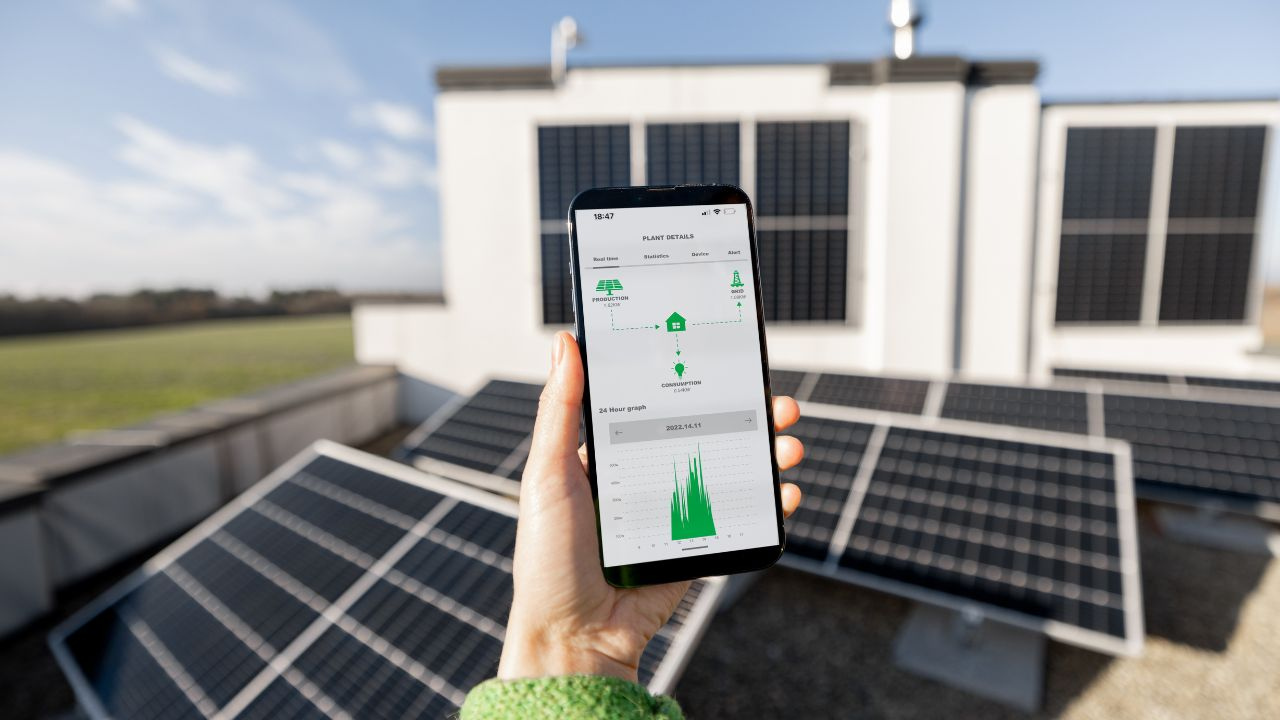
Solar panels in Ireland work all year round, but they perform much better in summer than in winter. Between March and October, panels generate about 70–80% of their yearly energy. In contrast, winter months only produce around 20–30% due to shorter days and lower sun angles. Still, panels are more efficient in cold, clear weather and can generate power even on cloudy days. With the right setup, they remain a reliable energy source year-round.
Are solar panels still worth it in Ireland’s winter months? It’s a common question for homeowners thinking about going solar. While summer brings long, bright days and higher energy output, winter offers cool temperatures that actually help panels work more efficiently.
In this blog, we’ll explore how solar panel performance changes from summer to winter in Ireland and explain how to get the most out of your system in every season.
Annual Solar Energy Generation in Ireland
Solar generation in Ireland is not evenly spread across the year. Output rises steadily from early spring, reaches its highest levels in late spring and summer, then declines through autumn into winter. This means a large share of annual electricity is produced in the middle months of the year, while winter months contribute a much smaller portion of the total.
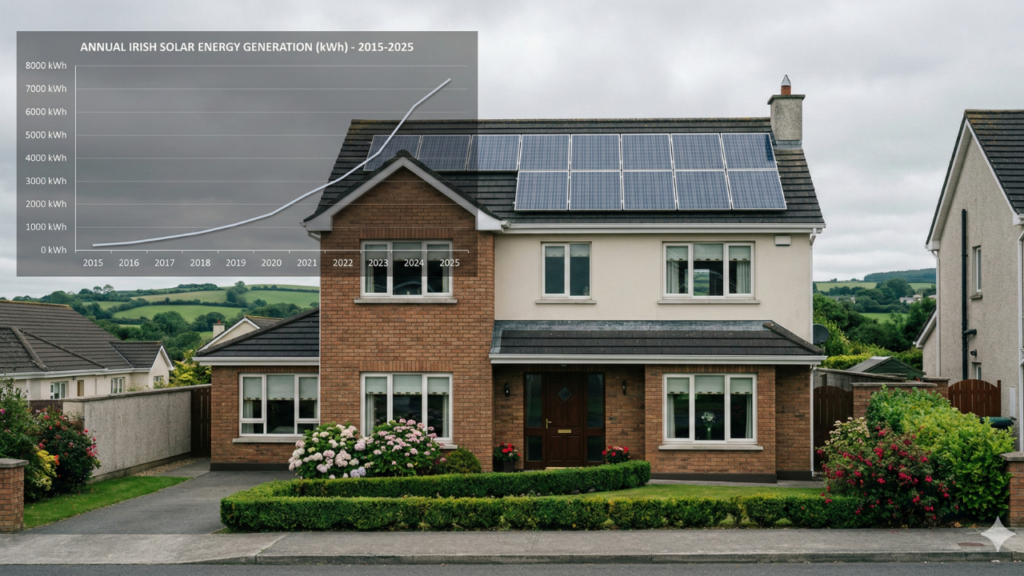
Monthly Generation Pattern Across the Year
Across a typical year, solar generation follows a clear curve:
Winter (Nov–Feb): generation reaches its lowest monthly totals, but remains present throughout the season.
Spring (Mar–Apr): generation begins to climb and becomes more noticeable month to month.
Late spring to summer (May–Aug): this is the main generation season, delivering the highest monthly totals.
Autumn (Sep–Oct): output tapers down from summer levels.
Peak Generation Months in Ireland
The strongest solar generation usually occurs from May to July, when monthly output is at its highest. During this peak window, solar systems often deliver around 60–70% of maximum seasonal output, making these months the biggest contributors to yearly production.
Solar Panel Performance in Winter vs Summer in Ireland
Now, let’s break down the key differences in solar panel behaviour and output between the brighter summer months and the colder winter season in Ireland.
While solar panels work all year round, the amount of electricity they produce can vary depending on the season. This is mainly due to changes in sunlight, daylight hours, and weather conditions. Understanding these seasonal differences can help you get the best out of your solar system.
1. Summer Performance (Peak Season)
During summer, solar panels perform at their strongest. From May to July, they often reach around 60 to 70 percent of their total capacity. This is thanks to the longer, sunnier days and the higher position of the sun in the sky.
With more than 16 hours of daylight each day, there is plenty of time for the panels to generate power. While very warm weather may slightly reduce efficiency, the extra sunlight means overall output remains at its highest.
2. Winter Performance (Low Season)
In the winter months, solar energy production drops compared to summer. Between November and February, panels usually generate only 15 to 25 percent of what they would produce in peak season. The main reason for this is the shorter days and lower sun angle.
There are only about 7 to 8 hours of daylight each day during winter, so the panels have less time to create electricity. However, cooler temperatures actually help them work more efficiently, especially on clear days when the light is strong.
Snow is not a common problem in Ireland, and it usually slides off the panels because of their tilt. Frost tends to melt quickly once the sun comes up. Even on cloudy days, the panels can still produce some electricity, which helps keep your system useful throughout the year.
Boosting Year-Round Solar Performance in Ireland
Even with seasonal changes, there are simple and practical ways to make sure your solar panels work well throughout the year. By focusing on a few key areas, you can improve how much energy your system provides during both summer and winter.
Let’s explore some useful tips that can help you get the most from your solar panels, no matter the season.
1. Battery Storage Systems
Battery storage plays an important role, especially during the darker winter months. It allows you to store extra energy collected during the day and use it later when the sun has gone down. This helps reduce your need to rely on the electricity grid in the evenings.
2. Optimal Installation Angle
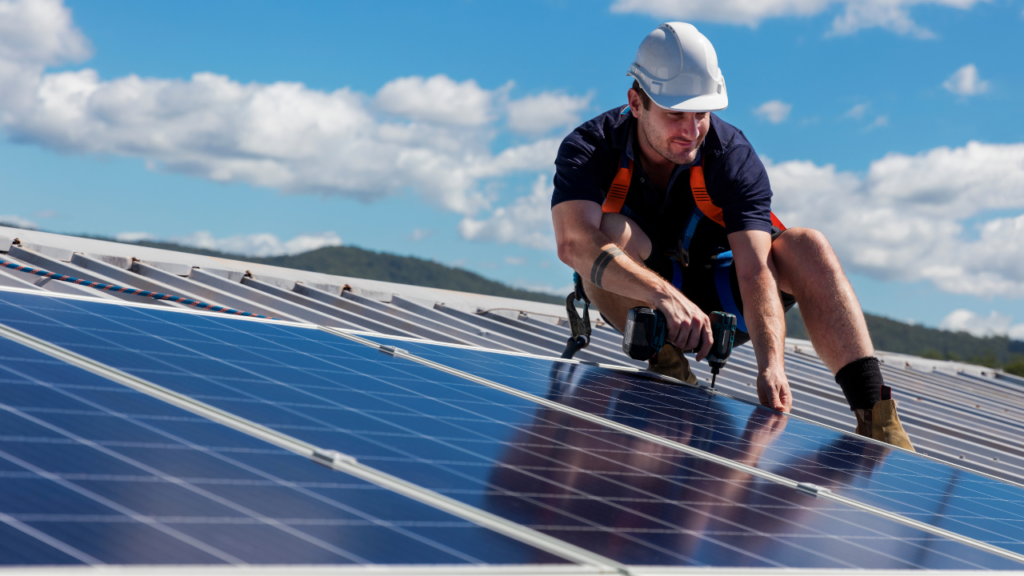
The angle at which your panels are placed can make a big difference. In Ireland, a tilt of around 30 to 40 degrees works well to catch lower winter sunlight and still perform strongly in summer. This balance helps your system collect as much light as possible across the whole year.
3. Regular Maintenance
Although rain often helps to keep panels clean, it is still important to check them now and then. Making sure your panels are free from dirt, leaves or shading from nearby trees can help keep them working well in all seasons. A quick look every so often can make a real difference to their performance.
Conclusion!
Solar panels in Ireland produce the most energy during the brighter summer months but still work well in winter, even with shorter days and lower sunlight. While output drops in winter, panels become more efficient in cold weather and continue to support your energy needs year-round. With the right setup, battery storage, and regular care, solar remains a smart investment.
Need expert advice on improving your system’s performance across all seasons? Contact SPV Energy today. We’re here to help you get the best from your solar panels in both winter and summer.
FAQ’s
1. Do solar panels work during winter in Ireland?
Yes, solar panels do work during winter in Ireland. Although energy production is lower due to shorter days, panels still generate electricity from daylight and cloudy skies.
2. Why do solar panels produce more energy in summer than winter?
Summer has longer daylight hours and a higher sun position, which allows panels to collect more sunlight. This results in higher energy output compared to winter months.
3. Are solar panels more efficient in cold weather?
Yes, solar panels work more efficiently in cooler temperatures. On clear winter days, cold air helps panels convert sunlight into electricity more effectively than in hot weather.
4. Do cloudy days stop solar panels from working in Ireland?
No, cloudy weather does not stop solar panels from working. Panels can still produce electricity from indirect sunlight, although at a lower level than on sunny days.
5. Does snow affect solar panel performance in Ireland?
Snow is rare in Ireland and usually does not cause long-term issues. When it does occur, it often slides off the panels due to their angled position.
6. Is solar energy still worth it in Ireland with low winter output?
Yes, solar energy is still worth it in Ireland. Strong summer production balances lower winter output, making overall yearly performance reliable and cost-effective.