
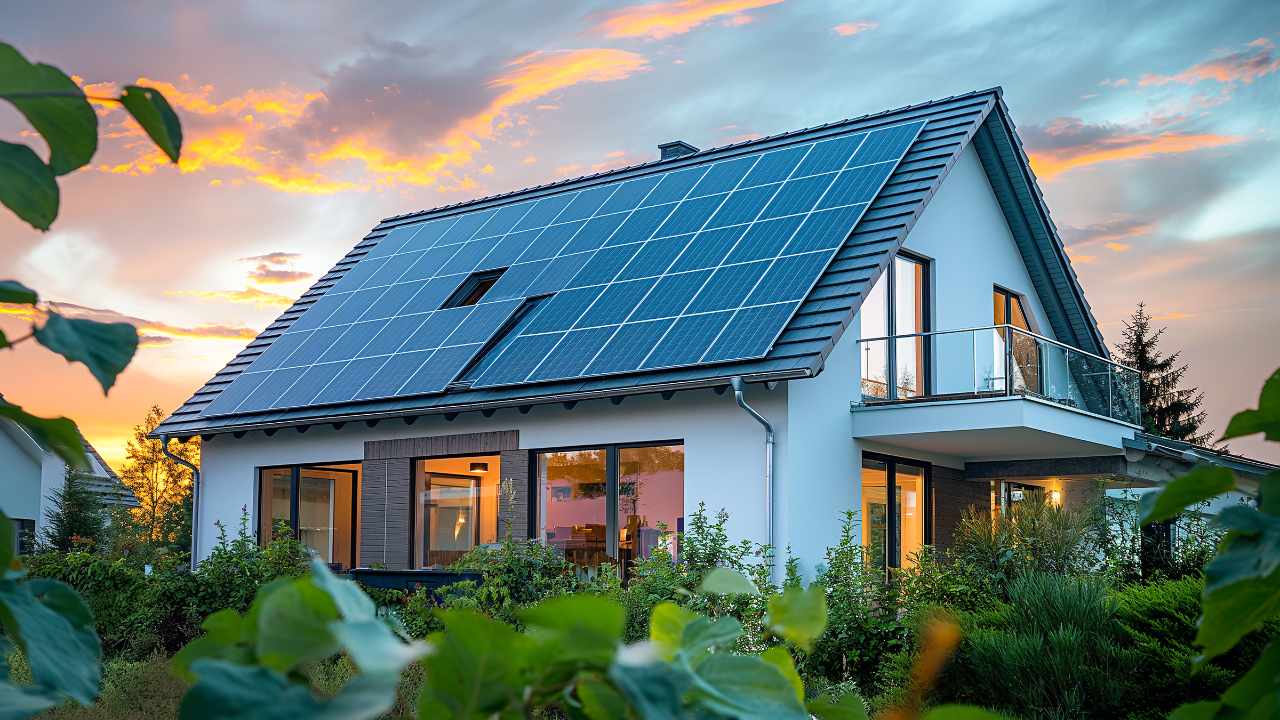
Solar energy has become far more common across Ireland, yet many people still hesitate because of outdated ideas and half-truths. Partial information or any misleading myths around weather, costs, appearance, and performance often stop homeowners from exploring solar properly.
In reality, modern solar systems are built to work in Irish conditions and have improved significantly over the years. Understanding the facts makes it easier to judge whether solar is a practical option for your home.
In this blog, we will explore common myths about solar in Ireland, break down popular assumptions and explain what actually holds up in everyday use. The aim is to give you clear, realistic insight without hype or technical jargon.
Let’s start!
10 Most Common Myths About Solar Panels in Ireland
Solar energy is often misunderstood, especially in Ireland, where weather, costs, and regulations get mixed into half-truths.
So, let’s have a look at some of the most common misconceptions and examine what actually holds up in real Irish homes and businesses.
1. Solar Only Works When the Sun Is Blazing
Many people think solar panels stop working once clouds roll in, which in Ireland would be awkward. In reality, panels use daylight, not direct sunshine, to generate power.
Even on grey days, systems still produce electricity, just at a lower level. Ireland’s long daylight hours balance this out over the year. That is why solar continues to grow here, rain and all.
2. Solar Is Still Far Too Costly
Solar used to be expensive, and the misconceptions made at that time linger longer than the facts. Panel prices have dropped a lot over the last decade, making systems more realistic for homeowners.
Grants in Ireland also help reduce upfront costs. When spread over many years, solar often compares well with rising electricity bills. It is no longer just for early adopters.
3. Panels Need Constant Attention
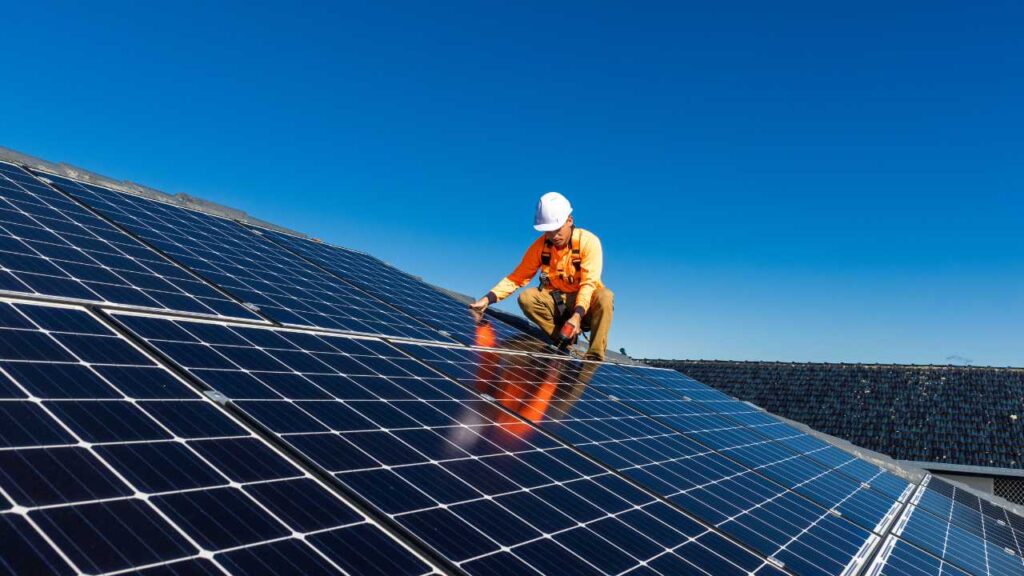
There is a belief that solar systems need frequent checks and repairs. Most modern systems are built to sit quietly on your roof and get on with the job.
Apart from an occasional visual check or light clean, there is little for owners to do. Irish rain actually helps keep panels clear. Maintenance is usually minimal rather than ongoing.
4. Solar Is Useless After Dark
Indeed, panels do not generate power at night, but that is only one part of the picture. During the day, unused electricity can be stored in a battery or sent back to the grid.
That stored energy can then be used later in the evening. Solar works best as part of a system, not in isolation. At night, power is still possible.
5. Panels Ruin the Look of a House
Older solar systems were bulky and hard to miss, which shaped this opinion. Newer panels are slimmer and sit closer to the roofline. Many homeowners find they blend in better than expected.
Some even see them as a sign of a modern, energy-aware home. Looks are now less of a dealbreaker than they once were.
6. Making Panels Is Bad for the Planet
Some assume solar causes more harm than good once manufacturing is considered. While energy is used to make panels, they typically offset that within a few years. After that, the electricity they produce is low-carbon for decades.
Compared to fossil fuels, the environmental impact is much lower over time. This is why solar is classed as a clean energy option.
7. Solar Is Only for Off-Grid Living

Solar is often linked with remote cabins and full energy independence. In Ireland, most systems are grid-connected and work alongside the normal electricity supply.
This allows homes to use solar when available and draw from the grid when needed. Any excess power can be exported. It is about flexibility rather than going fully off-grid.
8. Solar Lowers House Value
There is a fear that buyers will avoid homes with panels installed. In practice, energy efficiency is becoming more attractive, not less.
Lower running costs are a clear benefit for many buyers. Solar can make a property stand out in a competitive market. It is increasingly seen as an upgrade rather than a drawback.
9. Cold Weather Makes Panels Inefficient
Cold temperatures are often blamed for poor solar performance. In fact, panels can work more efficiently in cooler conditions, provided there is daylight.
Excessive heat can reduce output, which is less of an issue in Ireland. Bright, cool days can be very productive for solar systems. Cold alone is not a problem.
10. Solar Panels Do Not Last Long
Some people think panels wear out quickly and need to be replaced early. Most panels come with long warranties, often around 25 years.
Even after that, they usually continue producing electricity at a reduced level. With proper installation, the lifespan is measured in decades. Short life expectancy is largely a myth.
Understanding the facts behind ‘Common Myths About Solar in Ireland: What’s True & What’s Not’ helps homeowners make decisions based on reality rather than outdated assumptions. Solar is not perfect, but it is far more practical in Ireland than many still believe.
Conclusion
Solar energy in Ireland is often judged on outdated ideas rather than real facts. As this blog has shown, many common concerns around weather, cost, maintenance, appearance, and performance do not reflect how modern solar systems actually work. With improved technology, long lifespans, and better affordability, solar has become a practical option for many Irish homes and businesses.
Understanding what is true and what is not helps you make a more informed decision about your energy choices. If you are considering solar and want clear, honest advice, contact SPV Energy today to discuss your options and see if solar is right for your property.
FAQs
1. Do solar panels work in Ireland’s cloudy weather?
Yes, they do. Solar panels use daylight rather than direct sunshine, so they still generate electricity on overcast days. Ireland’s long daylight hours help balance output across the year.
2. Are solar panels worth it in Ireland?
For many homes, yes. Lower panel costs, SEAI grants, and rising electricity prices make solar a practical long-term option. Savings depend on usage, roof space, and system size.
3. How long do solar panels last?
Most solar panels last 25 years or more. Even after warranties expire, panels usually continue producing electricity at a reduced rate with very little maintenance.
4. Do solar panels need a lot of maintenance?
No, they are generally low maintenance. Occasional checks and light cleaning are usually enough. Ireland’s regular rainfall helps keep panels free from heavy dirt build-up.
5. Can solar panels power my home at night?
Not directly, but they can with the right setup. Battery storage allows you to use stored solar energy in the evening, reducing reliance on the grid.
6. How does SPV Energy help with solar installation in Ireland?
SPV Energy provides clear advice, proper site assessments, and compliant installations suited to Irish homes. We focus on systems that actually fit your usage, not one-size-fits-all packages.