
Solar energy is one of the most reliable and sustainable power sources available today, offering clean electricity for homes and businesses alike. Many people assume solar panels stop working when the weather turns cloudy or rainy, but that’s far from the truth.
Modern solar technology is designed to capture both direct and diffused sunlight, ensuring steady energy generation throughout the year. While efficiency may dip slightly during darker days, the right setup keeps your system performing well. With smart installation, efficient panels, and proper maintenance, you can enjoy consistent solar power in all weather conditions.
In this blog, we will help you understand how does solar energy work during cloudy or rainy days and share effective ways to keep them operating efficiently in different conditions.
Let’s start!
How Does Solar Energy Work During Cloudy or Rainy Days?
Even though solar panels perform best under direct sunlight, they continue to generate electricity on cloudy or rainy days, though at reduced efficiency.
Understanding how solar energy works during cloudy or rainy days helps homeowners appreciate that solar systems remain reliable sources of clean energy, regardless of changing weather conditions.
How Solar Panels Function on Cloudy Days?
When the sky is covered with clouds, the amount of sunlight that reaches solar panels decreases, leading to reduced power generation. However, some sunlight still penetrates through the cloud cover, allowing panels to continue producing energy.
On days when clouds only partially block the sun, panels can still deliver a fair amount of power, often sufficient for household needs. Interestingly, a phenomenon known as the ‘cloud lensing effect’ can occasionally boost output by focusing sunlight onto panels, although this is rare.
How Solar Panels Function on Rainy Days?
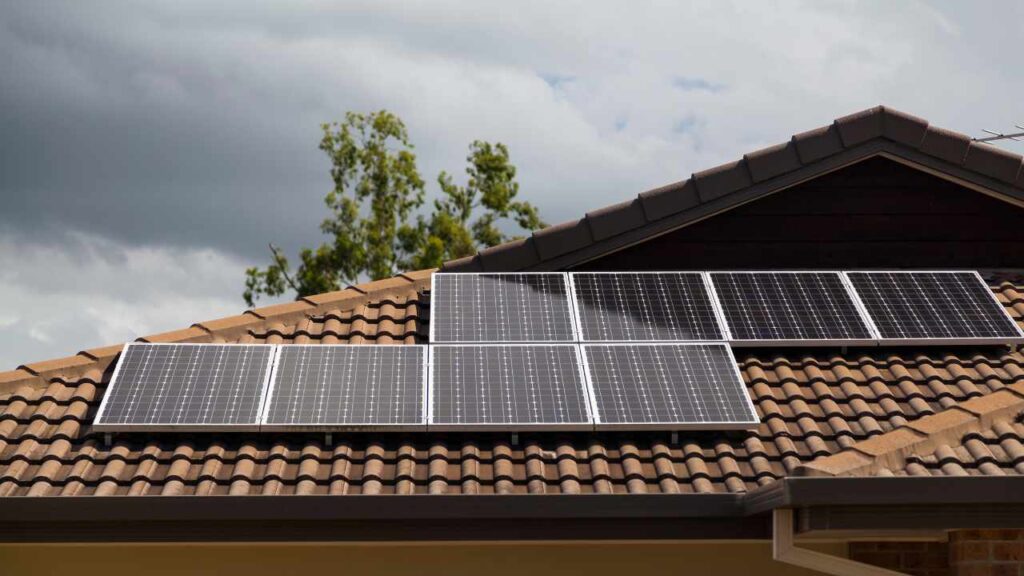
Rainy conditions tend to lower solar energy production because of limited sunlight, but rain also serves as a natural cleaning mechanism. It helps wash away collected dust and debris, allowing panels to absorb more sunlight once the skies clear.
Despite the reduced output during rainfall, panels can still generate electricity as long as some sunlight filters through. A simple way to check if your system is active during rain is to observe shadows, if they are visible, your panels are still working, though less efficiently.
What Are The Simple Ways to Keep Your Solar Panels Working Well in Cloudy or Rainy Weather?
Even when the weather turns grey or wet, your solar panels can still perform well with the right care and setup.
By following a few smart habits and making small improvements, you can keep your system running smoothly and get the best energy output all year round.
1. Choose High-Efficiency Solar Panels
Not all solar panels work the same way. Panels with higher efficiency ratings can convert more sunlight into power, even when the light is weak.
Although they might cost a little more, they perform better in cloudy or dim conditions and can give you more energy for longer. In the long run, this can help you save money and make your solar investment more worthwhile.
2. Add More Panels for Better Coverage
When sunlight is limited, having extra panels can make up for the reduced energy output. Installing a few more panels ensures your system can still meet your home’s energy needs, even on overcast days.
A trusted installer can help you decide the best number of panels based on your roof size and local weather.
3. Use Solar Batteries to Store Energy
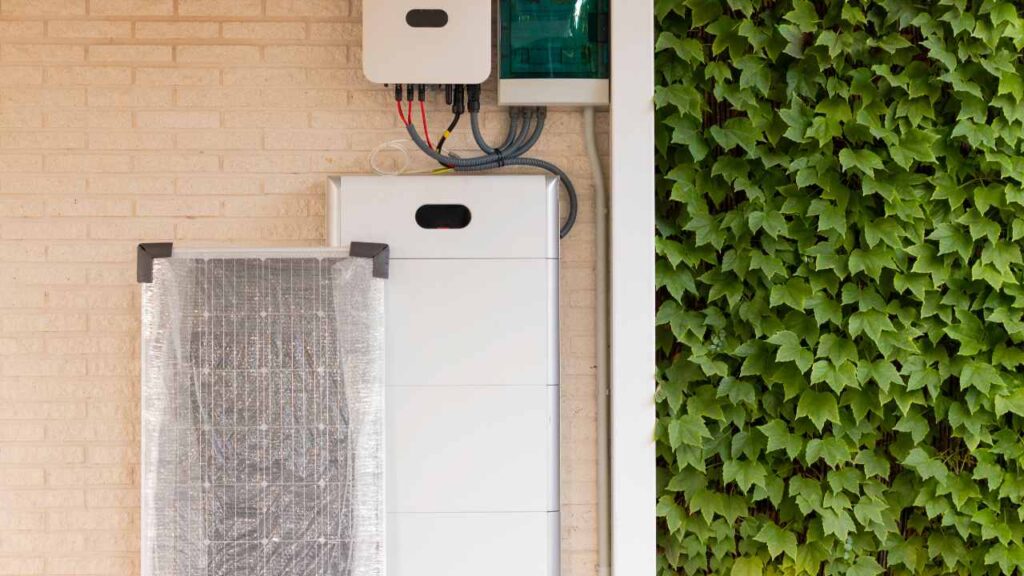
Solar batteries let you store extra electricity made on sunny days so you can use it later, such as at night or during cloudy weather.
This keeps your home powered up even when the sun isn’t shining. A good storage system also means you rely less on the grid and make full use of your solar energy.
4. Keep Panels Free from Shade
Solar panels need as much sunlight as possible to work well. Trim any nearby trees or plants that cast shadows on your panels during the day.
Even small amounts of shade can lower your energy production. Keeping panels in clear, open areas helps them stay efficient all year round.
5. Use Monitoring Tools to Track Performance
Many solar systems come with monitoring apps that show how well your panels are working in real time. Checking these tools helps you spot any drops in performance early, such as dirt build-up or shading problems.
Staying alert to these changes means you can fix small issues before they turn into costly repairs.
Conclusion
Solar panels remain a dependable energy source even during cloudy or rainy days, thanks to their ability to capture and convert diffused sunlight. While efficiency may drop slightly, smart choices like using high-efficiency panels, regular maintenance, and energy storage solutions can keep your system performing well in all weather conditions. With the right setup, solar power continues to be a sustainable and cost-effective energy option for any home.
Ready to make the most of your solar energy system? Contact SPV Energy today to explore custom solar solutions designed to suit your home, budget, and lifestyle.
FAQs
1. Do solar panels still generate electricity on cloudy days?
Yes, even when the sky is overcast, your panels can still produce power because they use diffuse sunlight as well as direct. Although performance drops compared to full sun, they don’t stop working.
2. How much less energy do solar panels produce on rainy or cloudy days?
Typically, on heavy cloud cover or rain, output may fall to around 10–30% of usual levels, with more output when clouds are thin or there is only light rain.
3. Does rain damage my solar panels or stop them from working?
No, rain doesn’t harm panels if they’re correctly installed. In fact, it often helps by cleaning dust and debris off the surface, improving efficiency once sunlight returns.
4. What type of solar panels work best in consistently cloudy weather?
Panels with higher efficiency ratings (such as monocrystalline), low-light technology and proper installation angles perform better under diffuse light conditions.
5. How can SPV Energy help ensure good solar output even on dull days?
At SPV Energy, we design your system with the right panel type, correct tilt and orientation and recommend energy storage where needed, so you get reliable power even when the weather’s grey.
6. Why choose SPV Energy for installation in a rainy region?
We specialise in systems for local climates: our installations factor in frequent cloud or rain, and we use monitoring tools to keep your system optimised and performing, so you’re never left relying solely on the grid.